Pigmentation & sun damage
Brighter, clearer, more even-looking skin with advanced doctor-led laser technology.
- Doctor-led assessment before treatment
- Personalised treatment plans
- Suitable for many types of sun damage and pigmentation
- Multiple laser technologies available
- Medical-grade skincare recommended
- Prescription pigment inhibitors available where appropriate
- Daily SPF is essential
- Downtime varies by treatment but is usually minimal
- Treatment courses often produce the best results
- Suitable for face, neck, chest and hands
About pigmentation
Sun spots, freckles and uneven skin tone
About pigmentation
Sun spots, freckles and uneven skin toneBrown spots, sun damage, freckles and uneven pigmentation can make skin appear older than it really is. At Blush Clinic, we use a range of advanced laser and light technologies to safely target unwanted pigmentation while improving the overall quality, brightness and texture of your skin.
Every treatment plan is personalised following a comprehensive consultation with our experienced medical team to determine the exact type of pigmentation present and choose the safest and most effective treatment approach.
Pigmentation is one of the most common reasons patients seek skin rejuvenation treatments. While many people simply refer to it as "sun damage", there are actually many different forms of pigmentation, each behaving differently and requiring different treatment strategies.
At Blush Clinic we combine medical diagnosis with advanced laser technology to treat:
- Sun spots
- Age spots
- Solar lentigines
- Freckles
- Uneven skin tone
- Post-inflammatory hyperpigmentation (PIH)
- Some superficial pigmented lesions
- General photoaging caused by years of UV exposure
Not all pigmentation should be treated in the same way. Certain conditions, particularly melasma, require a cautious medical approach because inappropriate laser treatment can actually make pigmentation worse.
This is why every patient undergoes a doctor-led assessment before treatment begins.
How we can help
Why people come to us for pigmentation
How we can help
Why people come to us for pigmentationMany patients tell us they notice that their skin has gradually become:
- Covered in brown spots
- Patchy in colour
- Less radiant
- Older than they feel
- Difficult to cover with makeup
- Rougher in texture
- More damaged after years of sun exposure
Pigmentation commonly develops after years of ultraviolet (UV) exposure, although hormonal changes, inflammation and genetics can also contribute.
Patients often choose laser treatment because they want to:
- Remove visible sun damage
- Brighten dull skin
- Create a more even complexion
- Reverse signs of photoageing
- Improve confidence without surgery
- Reduce the appearance of freckles and age spots
Treatment options
The lasers we use, and how we prepare your skin
Treatment options
The lasers we use, and how we prepare your skinRather than relying on one laser, we select the technology most appropriate for your individual skin and pigmentation.
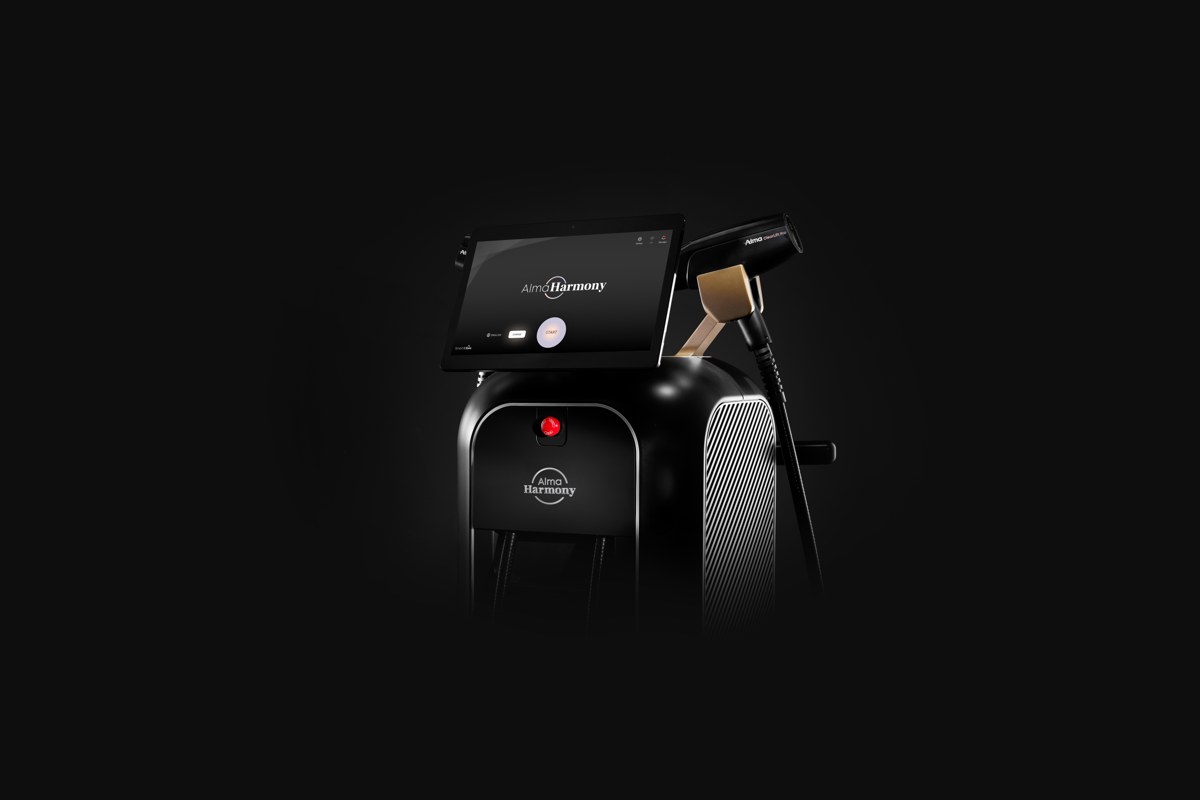
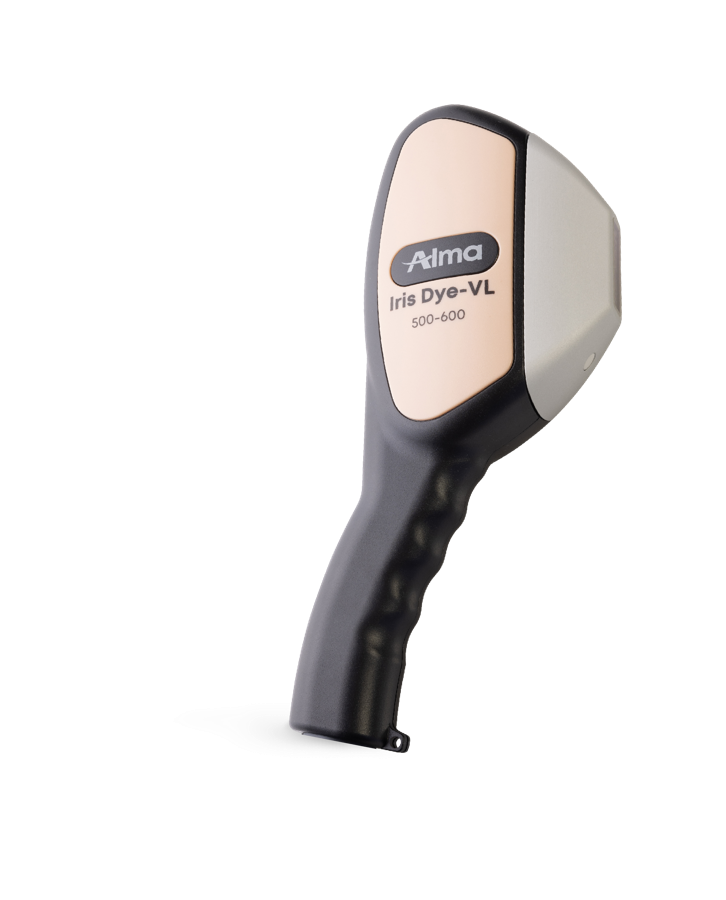
Dye VL™ (Harmony Platform)
Our Dye VL handpiece delivers precisely filtered light that selectively targets superficial pigmentation while also treating facial redness and broken capillaries.
It is ideal for:
- Sun damage
- Age spots
- Freckles
- Diffuse pigmentation
- Combined pigmentation and redness
Many patients notice brighter skin after only one treatment, although a course usually produces the best results.
Plexus Fractionated IPL (Plexus FPL)
Our Korean Plexus Fractionated IPL combines pigmentation improvement with overall skin rejuvenation.
It treats:
- Sun damage
- Patchy pigmentation
- Early photoageing
- Uneven complexion
The fractional delivery helps stimulate collagen while improving skin tone.
SupErb Er:YAG Fractional Laser
The SupErb Er:YAG laser resurfaces the skin by removing microscopic columns of damaged tissue.
This treatment improves:
- Sun damaged skin
- Pigmentation
- Skin texture
- Fine lines
- Enlarged pores
- Acne scarring
It is particularly useful where pigmentation is accompanied by significant textural ageing.
ClearLift® Q-Switched Laser
ClearLift is a gentle, non-ablative Q-switched laser that can target certain types of pigmentation while stimulating collagen production.
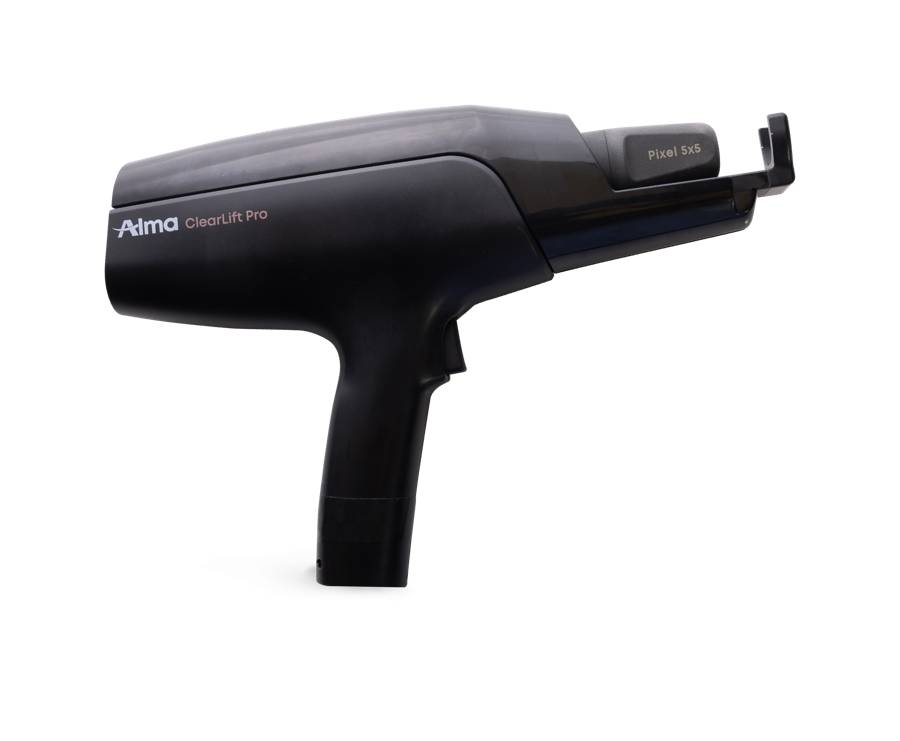
It offers little downtime and is often suitable for patients wanting gradual improvement with minimal recovery.
ClearLift is especially useful for:
- Mild pigmentation
- Uneven skin tone
- Early photoageing
- Skin rejuvenation
- Darker skin types
Q-Switched Laser
The Q-switched Nd:YAG laser and Q-switched KTP delivers extremely short pulses of high energy which are absorbed by pigment within the skin.
Depending on the pigmentation being treated, this technology may be used for:
- Certain benign pigmented lesions
- Tattoo removal
- Selected areas of stubborn pigmentation
Medical Skin Preparation
Successful pigmentation treatment doesn't rely on laser alone.
One of the most important parts of achieving excellent results is reducing the skin's tendency to produce new pigment during treatment.
Where appropriate, we often recommend a period of skin preparation before laser treatment.
This may include:
- Medical-grade pigment inhibitors
- Prescription hydroquinone when clinically appropriate
- Vitamin A (retinoids)
- Vitamin C
- Tyrosinase inhibitors
- Antioxidants
- Daily broad-spectrum SPF 50+
Preparing the skin in this way helps reduce the risk of rebound pigmentation and can significantly improve treatment outcomes.
Why Sunscreen Is Essential
Laser treatment removes existing pigmentation but cannot prevent your skin from making new pigment if it continues to receive ultraviolet exposure.
For this reason, daily SPF is essential—even during cloudy Irish weather.
Patients are advised to wear:
- Broad-spectrum SPF 50+
- Every morning
- All year round
- Reapplied during prolonged outdoor exposure
Without good sun protection, pigmentation frequently returns.
What treatment can do
Brighter, more even-looking skin
What treatment can do
Brighter, more even-looking skinPatients commonly notice:
- Brighter skin
- More even complexion
- Reduction in brown spots
- Fresher appearance
- Improved skin texture
- Healthier-looking skin
- Increased collagen stimulation
- Better skin confidence
Many patients also find that their skincare products apply more evenly and makeup sits better after treatment.
Is it right for me?
Who it suits
Is it right for me?
Who it suitsPigmentation laser treatment may be suitable for adults concerned by:
- Sun damage
- Age spots
- Freckles
- Uneven pigmentation
- Photoaged skin
- Brown spots
- Dull complexion
Treatment suitability depends on:
- Skin type
- Skin colour
- Type of pigmentation
- Recent sun exposure
- Medical history
- Current medications
A laser consultation is essential before beginning treatment.
Aftercare and results
What to expect after treatment
Aftercare and results
What to expect after treatmentRecovery depends upon the technology used.
Patients may experience:
- Mild redness
- Temporary swelling
- Darkening of pigmented lesions before they naturally shed
- Mild flaking
- Dryness
For several weeks after treatment patients should:
- Avoid excessive sun exposure
- Wear SPF daily
- Avoid picking treated areas
- Continue recommended skincare
- Follow all aftercare advice provided by the clinic
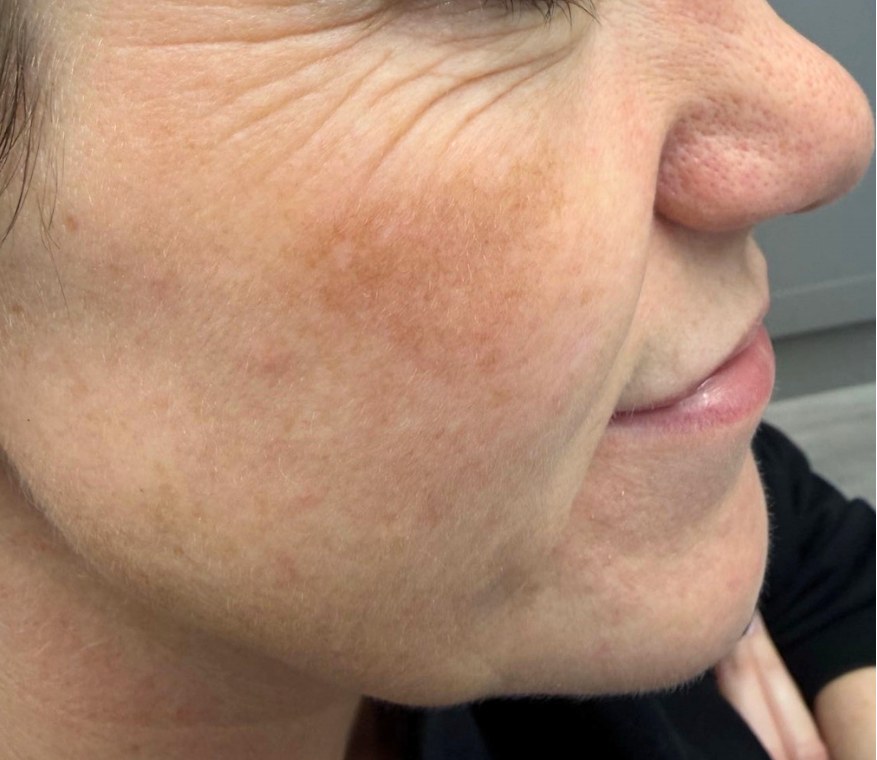
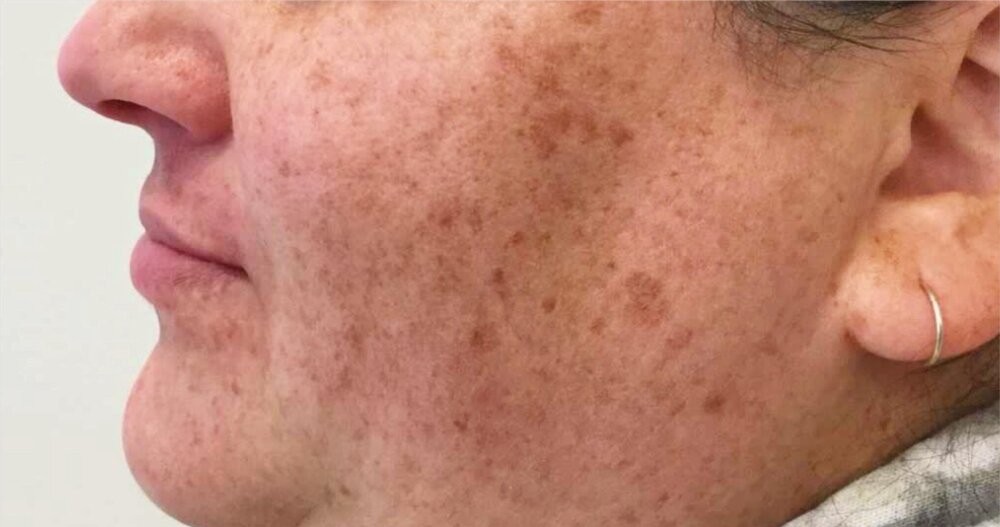
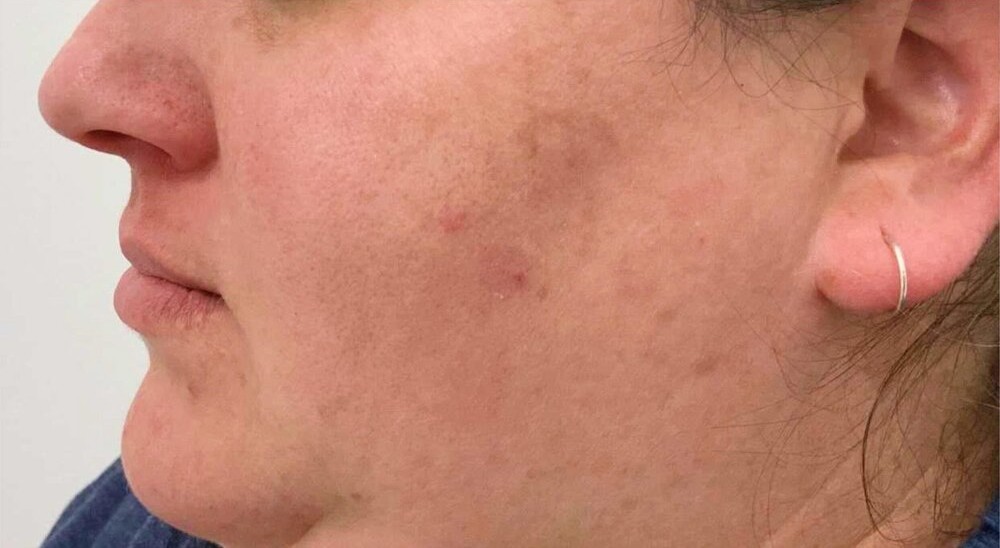
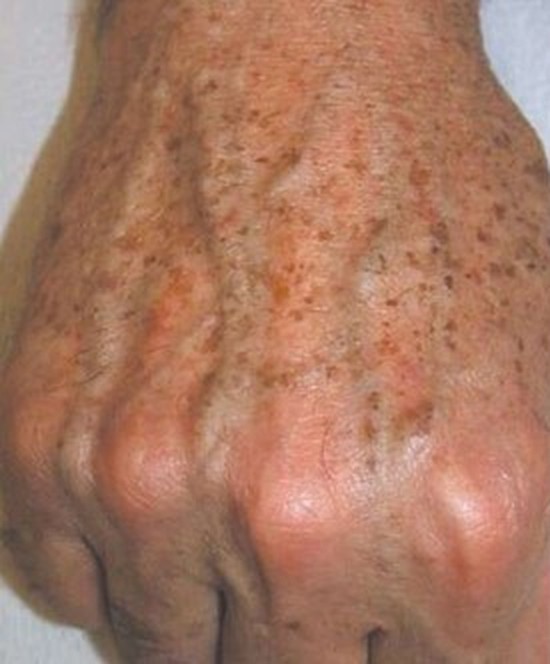
See the difference
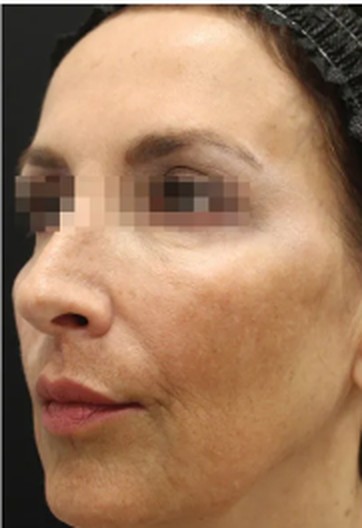
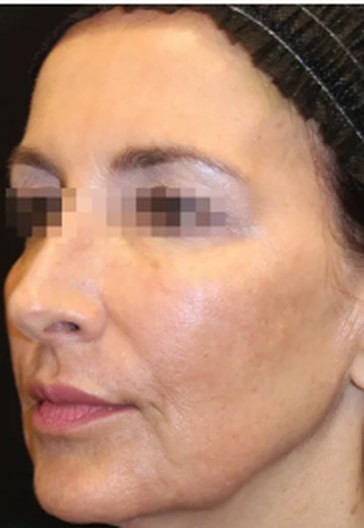
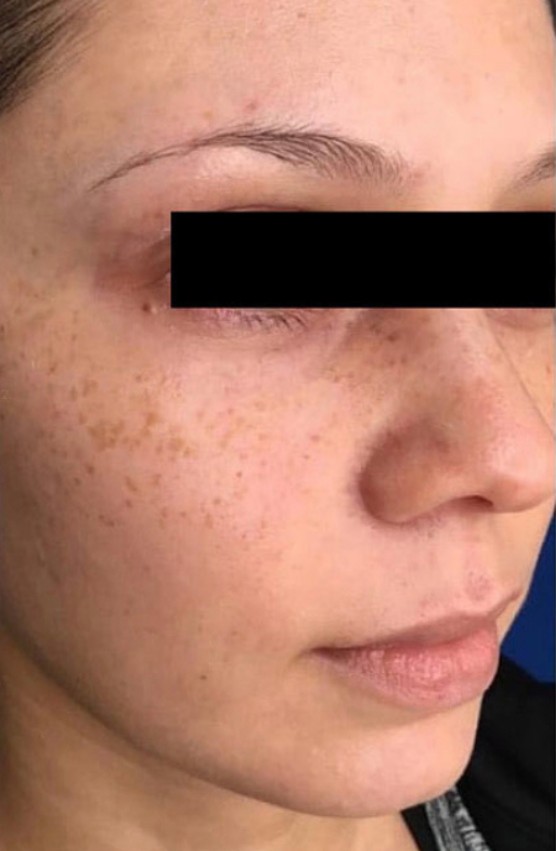
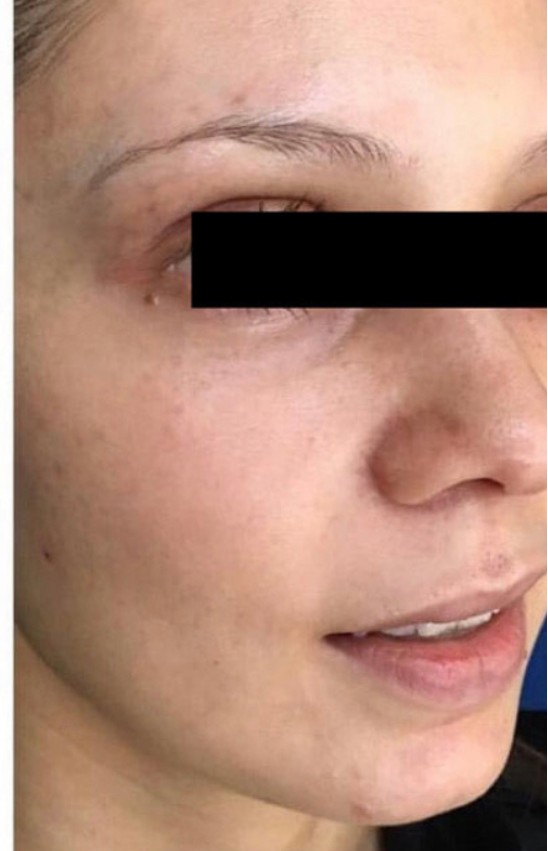
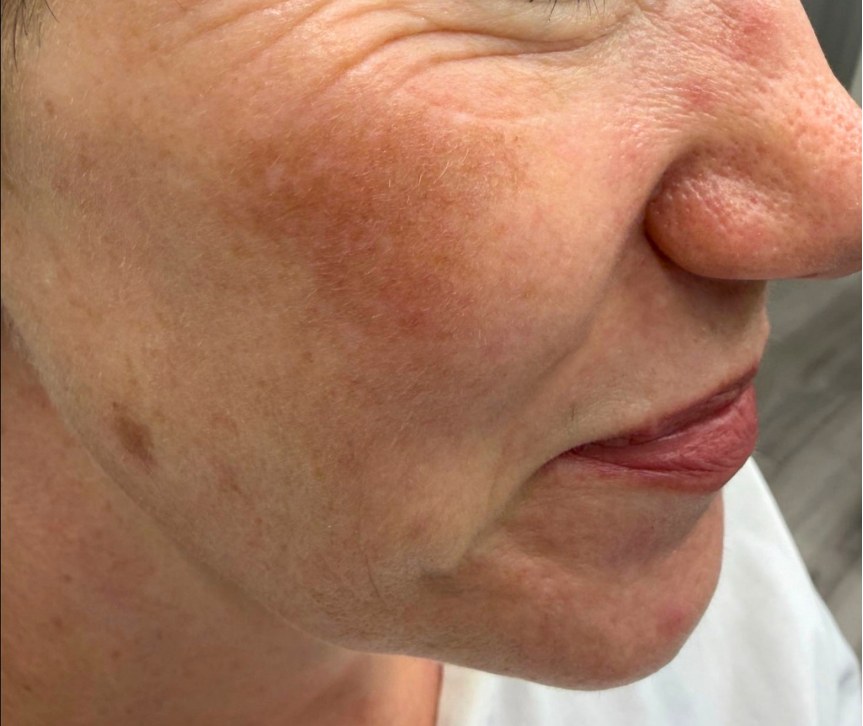
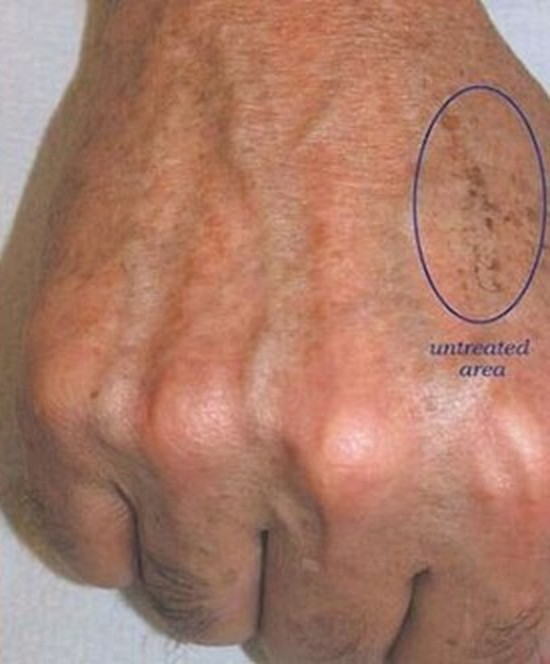
Swipe to see the next pair →
Results vary.

Questions we're asked
Can laser permanently remove pigmentation?
Can laser permanently remove pigmentation?
Many pigmented lesions can be removed very successfully. However, your skin can always produce new pigmentation in the future if exposed to ultraviolet light or certain hormonal influences.
Will my pigmentation get darker before it gets lighter?
Will my pigmentation get darker before it gets lighter?
Yes. This is completely normal. Treated pigmentation often darkens for several days before naturally flaking away.
How many treatments will I need?
How many treatments will I need?
This depends on the type and severity of pigmentation. Some lesions improve after a single treatment, while widespread sun damage often requires a course of treatments.
Is melasma treated differently from sun damage?
Is melasma treated differently from sun damage?
Yes.
Melasma is hormonally driven and behaves very differently from ordinary sun spots. Aggressive laser treatment may actually worsen melasma if performed incorrectly.
Patients with melasma often require a combination of medical skincare, pigment inhibitors, sun protection and carefully selected laser treatments.
Why do you recommend hydroquinone before some pigmentation treatments?
Why do you recommend hydroquinone before some pigmentation treatments?
Hydroquinone helps reduce the skin's production of melanin by inhibiting the enzyme tyrosinase. When used appropriately before and during treatment, it can reduce the risk of rebound pigmentation and improve overall results. It is prescribed only when clinically appropriate and under medical supervision.
Can I have laser treatment if I have recently been in the sun?
Can I have laser treatment if I have recently been in the sun?
Fresh tanning significantly increases the risk of complications such as burns and post-inflammatory hyperpigmentation. We usually advise waiting until the tan has faded before treatment.
Does laser treatment hurt?
Does laser treatment hurt?
The sensation depends on the type of laser you are receiving. With ClearLift there is no heat, prickling or discomfort, only a feeling of coolness. intense pulsed light is more intense, most patients describe the sensation as a brief warm snapping feeling and fractional resurfacing laser feels a little bit prickly. Cooling systems help make treatment very comfortable.
Can pigmentation come back?
Can pigmentation come back?
Yes. Even when existing pigmentation is successfully removed, new pigmentation can develop with future sun exposure or hormonal influences. Long-term maintenance includes daily SPF, good skincare and, for some patients, ongoing pigment-inhibiting products.
What skincare products help prevent pigmentation from returning?
What skincare products help prevent pigmentation from returning?
We often recommend medical-grade skincare tailored to your skin. Depending on your assessment, this may include prescription hydroquinone, vitamin C, retinoids, tyrosinase inhibitors, antioxidants and pigment-correcting serums, alongside daily broad-spectrum SPF 50+.
Can I have laser treatment for hyperpigmentation if I have darker skin (Skin Type IV)?
Can I have laser treatment for hyperpigmentation if I have darker skin (Skin Type IV)?
Yes, in many cases you can. However, darker skin contains more natural melanin, which means laser treatment needs to be planned more carefully to minimise the risk of post-inflammatory hyperpigmentation (PIH) or unwanted lightening of the skin.
At Blush Clinic, every patient undergoes a thorough skin assessment before treatment. For patients with Fitzpatrick Skin Type IV, we often recommend preparing the skin with medical-grade pigment-inhibiting skincare and strict daily SPF before treatment. We also select laser technologies that are generally safer for darker skin types, such as the ClearLift® Q-switched laser, rather than using IPL in situations where the risk of pigmentation changes may be higher.
By combining the right technology with appropriate skin preparation and aftercare, many patients with darker skin can achieve excellent improvements in hyperpigmentation safely.
Can every brown spot or mole be treated with laser?
Can every brown spot or mole be treated with laser?
No. Before any laser treatment is carried out, it's essential to determine exactly what the lesion is. While many brown spots are harmless sun spots, freckles or other benign pigmented lesions, some can represent precancerous changes or skin cancers such as melanoma.
At Blush Clinic, every patient undergoes a thorough medical assessment before treatment. If there is any uncertainty about a lesion, it will not be treated with a laser until an appropriate diagnosis has been made. In some cases, you may be advised to have the lesion monitored, biopsied or referred for further assessment instead.
Your safety always comes first. A doctor-led assessment helps ensure that laser treatment is used only when it is appropriate and safe, giving you peace of mind as well as the best cosmetic outcome.
How can I book a laser consultation?
How can I book a laser consultation?
You can arrange a laser consultation and patch test through the Blush Clinic online booking system or by phoning 087 4223492 to make your booking over the phone.

Dr Rowena Hughes
MB BCh BAO, MSc Pharm Med, MBA, PGDip Obs & Gynae, DDermMedical Director, Blush Clinic, Kells · Founder, Dr Rowena's Aesthetics Academy
Blush Clinic is a doctor-led aesthetic and dermatology clinic where every treatment protocol has been developed under the guidance of Dr Rowena Hughes, who holds a postgraduate diploma in Dermatology from the Royal College of Physicians in Ireland and has extensive experience in medical skin conditions and advanced laser treatments.
At Blush Clinic, pigmentation treatment is approached medically rather than cosmetically.
Every patient receives a detailed assessment to identify the exact cause of their pigmentation before treatment begins. Different types of pigmentation respond differently to laser, and selecting the wrong treatment can sometimes worsen the condition.
Our doctor-led approach combines advanced laser technology with evidence-based skincare, prescription treatments where appropriate, and long-term prevention strategies to achieve safer, more predictable and longer-lasting results.
Treatments are carried out by Dr Rowena Hughes and Rebecca Hughes, both of whom are trained in the safe use of advanced laser technologies.
Rather than relying on a single device, we select from multiple laser and light technologies—including the Alma Harmony platform and Plexus Fractionated IPL—to create an individual treatment plan based on your skin type, diagnosis and treatment goals. Every treatment plan is overseen by Dr Rowena, ensuring that the chosen technology and approach are appropriate for your individual skin concerns.
Ready to book?
Book online any time. To pay by card over the phone, or to reschedule or cancel, call 087 422 3492, Monday to Friday, 8am to 6pm.