Acne & scars
Advanced laser and light-based treatments for active acne, acne marks and acne scarring.
- Acne can leave behind redness, pigmentation and scarring.
- Post-inflammatory redness often responds well to IPL treatments.
- Brown acne marks can be improved with ClearLift laser.
- ClearSkin laser stimulates collagen and improves acne scars.
- Fractionated IPL can help active acne and skin texture.
- There are several options for acne scarring: SupErb Er:YAG resurfacing or microneedling or RF microneedling
- Enlarged pores often improve alongside acne scar treatments.
- Multiple treatment sessions are usually required.
- Combination treatments often produce the best results.
- Results continue to improve as collagen remodelling occurs over time.
About acne and acne scarring
Active acne, the marks it leaves behind and acne scars
About acne and acne scarring
Active acne, the marks it leaves behind and acne scarsAt Blush Clinic, we use a combination of IPL, laser resurfacing and collagen-stimulating treatments to target active breakouts, reduce redness and pigmentation, and improve the appearance of acne scars.
Acne can leave more than just spots behind. Many people continue to struggle with persistent redness, brown marks, enlarged pores and scarring long after active acne has settled.
Modern laser and light technologies can help improve both active acne and the long-term changes it leaves in the skin. At Blush Clinic, treatments are tailored to your specific concerns, whether you are dealing with ongoing breakouts, post-inflammatory pigmentation, post-inflammatory redness, enlarged pores or acne scars.
Using advanced technology including Intense Pulsed Light (Dye VL and fractionated Plexus IPL), ‘SupErb’ fractional laser resurfacing, ‘ClearSkin’ collagen-stimulating laser treatments and RF microneedling we can help improve skin clarity, texture and overall skin quality while creating a personalised treatment plan for long-term results
How we can help
Concerns that laser and light treatments can improve
How we can help
Concerns that laser and light treatments can improveMany patients seek treatment because they are experiencing:
- Persistent acne despite skincare products
- Frequent inflammatory breakouts
- Red acne marks that remain after spots heal
- Brown post-inflammatory pigmentation
- Enlarged pores
- Uneven skin texture
- Shallow acne scarring
- Deeper acne scars
- Loss of confidence due to acne-related skin changes
- Skin that appears dull, congested or damaged
Many patients find that although their acne has improved, the marks and scars remain for years afterwards.
Treatment options
The lasers and technologies we use, and how they are combined
Treatment options
The lasers and technologies we use, and how they are combinedKorean Fractionated IPL (Plexus platform)
Our Plexus Fractionated IPL system combines intense pulsed light with fractional technology to target active acne while promoting skin renewal.
Benefits include:
- Reduction in acne inflammation
- Improvement in redness
- Stimulation of collagen production
- Improvement in overall skin texture
- Reduced appearance of acne marks
- Minimal downtime compared with more aggressive resurfacing treatments
This treatment is particularly popular for patients with mild active acne, post-acne redness and enlarged pores.
Dye-VL IPL (Harmony Platform)
The Dye-VL handpiece on the Alma Harmony platform targets excess blood vessels and redness associated with inflammatory acne.
Benefits include:
- Reduction of acne-related redness
- Improvement in post-inflammatory erythema
- Calming of inflamed skin
- Enhanced skin tone and clarity
- Supportive treatment for rosacea and acne-prone skin
Quasi Long Pulse Nd:YAG (Harmony platform)
The Quasi Long Pulse Nd:YAG works deeper in the skin to regulate the small capillary blood vessels, making them less leaky and less inflamed. It helps with redness, texture and pores, and with the inflammation of active acne.
ClearLift Laser (Harmony Platform)
ClearLift is a Q-switched laser treatment that works beneath the skin surface without damaging the outer layer.
It can be particularly useful for:
- Post-inflammatory hyperpigmentation
- Brown acne marks
- Uneven skin tone
- Early textural changes
- Skin rejuvenation
ClearLift stimulates collagen while helping to lift unwanted pigmentation left behind by previous breakouts.
ClearSkin Laser (Harmony platform)
The ClearSkin 1540nm Erbium Glass Laser delivers controlled fractional energy into the skin to stimulate collagen remodelling.
Benefits include:
- Improvement in acne scarring
- Reduction in enlarged pores
- Improved skin texture
- Enhanced collagen production
- Smoother skin appearance
- Minimal downtime compared with ablative resurfacing
ClearSkin is often one of our preferred treatments for patients seeking improvement in both acne scars and enlarged pores/coarse texture to the skin.
ClearSkin can be used with its integrated vacuum-assisted technology to treat large ‘blind’ pimples (nodules) and cystic acne lesions.
SupErb Er:YAG Laser Resurfacing
For more significant acne scarring, fractional Er:YAG laser resurfacing can produce dramatic improvements.
Benefits include:
- Treatment of superficial and moderate acne scars
- Skin resurfacing
- Improved skin texture
- Collagen stimulation
- Smoother skin appearance
- Reduction in visible scarring
Treatment intensity can be tailored depending on the severity of scarring and the amount of downtime desired.
Microneedling & RF Microneedling for Acne Scarring
During microneedling tiny sterile needles create controlled micro-injuries within the skin, stimulating your body’s natural production of collagen and elastin. RF microneedling combines this with heat energy delivered into the deeper dermis, enhancing collagen remodelling and skin tightening.
Combination Treatments
Many patients achieve the best results through a combination approach.
Examples may include:
- IPL + ClearSkin Laser
- ClearLift + ClearSkin Laser
- RF microneedling + ClearSkin
- SupErb Resurfacing + ClearSkin
- Medical acne management combined with laser treatments
Your treatment plan will be tailored to your individual skin concerns.
What treatment can do
Clearer, calmer and smoother-looking skin
What treatment can do
Clearer, calmer and smoother-looking skinPotential benefits include:
- Reduction in active acne
- Fewer inflammatory breakouts
- Reduction in redness
- Improvement in brown acne marks
- Improved skin texture
- Reduction in acne scars
- Smaller-looking pores
- Increased collagen production
- Improved skin quality
- Greater confidence
Most patients notice gradual improvements over a course of treatments as collagen remodelling continues.
Is it right for me?
Who it suits, and your laser consultation
Is it right for me?
Who it suits, and your laser consultationThis treatment may be right for you if you have ongoing acne, acne-related changes, or visible scars that haven’t improved with regular skincare.
Laser and light treatments can be adjusted based on the severity of your acne or scarring. Some work best for active acne, while others help improve skin texture and quality after breakouts have cleared.
A laser consultation and patch test helps us find the best treatment plan for you. At your appointment, your practitioner will check your skin, discuss your concerns, and recommend a personalised approach tailored to your needs.
Aftercare and results
Downtime, looking after your skin and what to expect
Aftercare and results
Downtime, looking after your skin and what to expectLaser and technology-based acne treatments are usually easy to tolerate and require little to no downtime.
You might notice some mild redness or sensitivity in the treated area right after your session. This is temporary and usually goes away quickly.
As your skin responds to treatment, you’ll see gradual improvements in clarity and texture. Your practitioner will give you personalised aftercare tips to help your skin heal and get the best results.
Recovery varies depending on the treatment performed.
Following IPL Treatments
- Perhaps mild redness for several hours mostly no redness following the treatment
- Occasional slight swelling
- Avoid excessive heat for 24–48 hours
- Daily SPF 50 recommended
Following ClearLift
- Minimal downtime
- Mild redness may occur
- Most patients return to normal activities immediately
Following ClearSkin
- Mild redness straight afterwards which usually wanes over an hour
- Most patients return to normal activities immediately
- Collagen stimulation continues for several months
Following SupErb Laser Resurfacing
- More noticeable redness and peeling and dryness
- Several days of downtime depending on treatment intensity
- Strict sun protection required
- Detailed aftercare instructions provided
See the difference
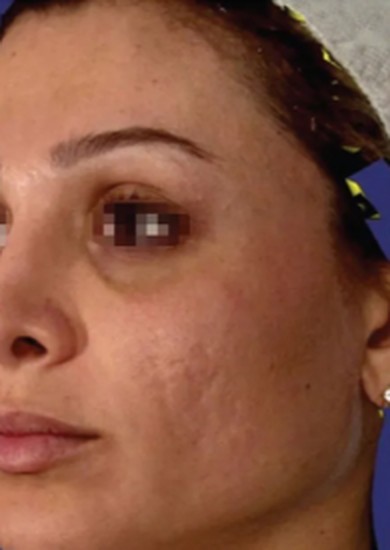
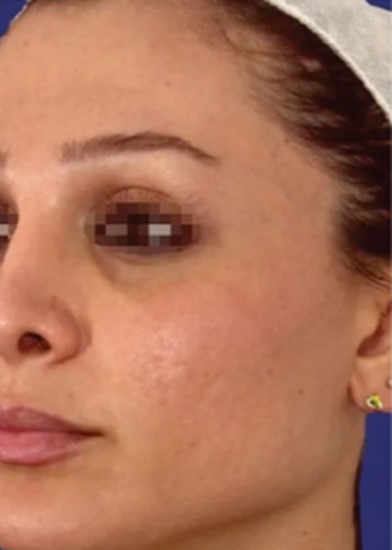
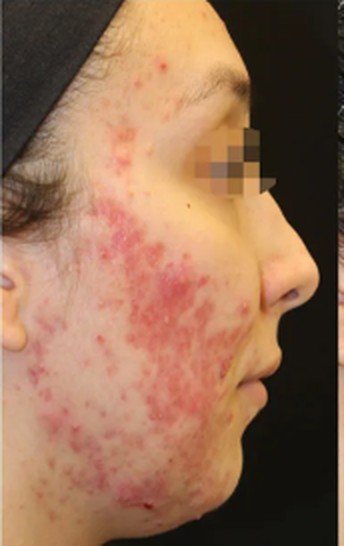
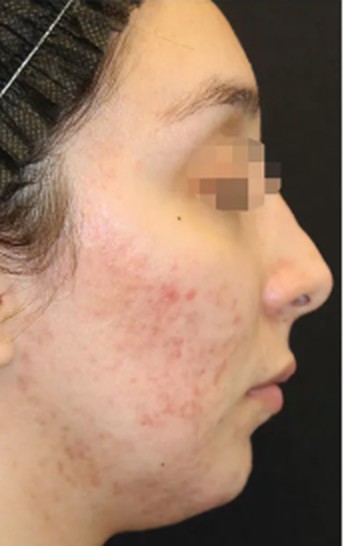
Swipe to see the next pair →
Results vary.

Questions we're asked
Can laser treatment cure acne?
Can laser treatment cure acne?
Laser and IPL treatments can significantly improve acne and reduce inflammation, but they are usually part of a broader treatment plan that may also include skincare and medical treatment.
What are the red marks left behind after acne?
What are the red marks left behind after acne?
The red marks left behind after acne are called post-inflammatory erythema (PIE).
These marks occur because tiny blood vessels remain dilated after inflammation has resolved.
IPL treatments such as Dye-VL and Fractionated IPL can be particularly effective for reducing persistent redness.
What is post-inflammatory hyperpigmentation (PIH)?
What is post-inflammatory hyperpigmentation (PIH)?
Post-inflammatory hyperpigmentation is the brown or darker discolouration that can remain after acne has healed.
It is not a true scar and occurs when inflammation triggers excess pigment production within the skin.
Treatments such as:
- ClearLift laser
- ClearSkin laser
- IPL
- Chemical peels
- Medical skincare
can help fade pigmentation over time.
What is the difference between an acne scar and an acne mark?
What is the difference between an acne scar and an acne mark?
Many people confuse acne marks with acne scars.
Acne marks are areas of redness or pigmentation left behind after a spot heals.
Acne scars are permanent structural changes within the skin caused by collagen loss or excess collagen formation.
Acne marks often respond more quickly to treatment than true scars.
Can enlarged pores be improved?
Can enlarged pores be improved?
Yes. Treatments such as ClearSkin, IPL and laser resurfacing can stimulate collagen production and improve the appearance of enlarged pores.
Can acne scars be removed completely?
Can acne scars be removed completely?
While acne scars can often be improved significantly, complete removal is rarely possible.
The goal of treatment is to:
- Improve skin texture
- Soften scar edges
- Stimulate collagen production
- Make scars less noticeable
Many patients experience substantial improvements in confidence and skin quality following treatment.
Can active acne and acne scars be treated at the same time?
Can active acne and acne scars be treated at the same time?
In many cases, yes. Treatment plans can often be designed to reduce active inflammation while simultaneously improving texture and scarring.
What types of acne scars are there?
What types of acne scars are there?
Acne scars can take several different forms, and the most effective treatment depends on the type of scar present.
Ice-pick scars
Ice-pick scars
- Deep, narrow scars that extend into the skin
- Often the most challenging type to treat
- Common on the cheeks
Boxcar scars
Boxcar scars
- Round or oval depressions with sharply defined edges
- Can be shallow or deep
- Often respond well to resurfacing treatments
Rolling scars
Rolling scars
- Broad depressions with sloping edges
- Create an uneven or "wavy" skin texture
- Often improve significantly with collagen-stimulating treatments
Hypertrophic scars
Hypertrophic scars
- Raised scars caused by excess collagen production
- More common on the chest, shoulders and back
Most patients have a combination of scar types, which is why a personalised treatment plan is important.
What is the best treatment for acne scars?
What is the best treatment for acne scars?
There is no single treatment that is best for every acne scar.
At Blush Clinic, treatment may include:
- ClearSkin laser
- SupErb Er:YAG laser resurfacing
- Fractionated IPL
- Medical microneedling
- RF microneedling
- Combination treatments
The most suitable approach depends on the type, depth and severity of the scars.
Can IPL help active acne?
Can IPL help active acne?
Yes. IPL can help reduce inflammation associated with acne and may improve the appearance of active breakouts.
Benefits may include:
- Reduced redness
- Reduced inflammation
- Improved skin clarity
- Improved skin texture
- Collagen stimulation
IPL is often used alongside medical acne treatment and skincare for optimal results.
Can the ClearSkin laser treat deep "blind" pimples or cystic acne?
Can the ClearSkin laser treat deep "blind" pimples or cystic acne?
Yes. The ClearSkin 1540 nm Erbium Glass Laser is one of the few laser systems designed to treat deep, painful inflammatory acne lesions, including "blind" pimples (acne nodules) and some cystic acne lesions.
Unlike surface treatments that mainly target the skin's outer layer, the ClearSkin laser delivers controlled heat deep into the dermis, where inflammation and overactive sebaceous (oil) glands are located. This helps reduce inflammation, calm the acne lesion, decrease excess oil production and encourage the spot to heal more quickly.
A unique feature of the ClearSkin handpiece is its vacuum-assisted technology. During treatment, gentle suction lifts the skin towards the laser, allowing the laser energy to be delivered more effectively into the deeper layers of the skin. The vacuum also improves contact between the handpiece and the skin, helping to treat deep lesions more precisely while making the treatment more comfortable.
The treatment does not "suck out" the spot or drain the cyst. Instead, it creates a controlled thermal effect within the skin that helps reduce inflammation, promotes healing and stimulates new collagen production. This collagen stimulation may also help reduce the risk of future acne scarring.
For patients with persistent or severe acne, the ClearSkin laser can be combined with prescription treatments such as topical medications depending on the severity of the acne and your individual treatment plan.
Can I have ClearSkin laser treatment while I am taking Roaccutane (isotretinoin)?
Can I have ClearSkin laser treatment while I am taking Roaccutane (isotretinoin)?
At Blush Clinic, I do not perform ClearSkin laser treatments while you are taking Roaccutane (isotretinoin) or within 6 months of completing your course.
Although newer research suggests that some modern non-ablative lasers may be safe in carefully selected patients during isotretinoin treatment, there is still ongoing debate within dermatology. As a doctor-led clinic, I take a cautious approach to minimise any potential risk of delayed healing or adverse skin reactions.
During your isotretinoin treatment, the priority is controlling your acne medically. Once your skin has recovered following completion of your course, I can then assess whether laser treatment would be beneficial for improving residual acne scars, redness or skin texture.
Can I have any laser or RF microneedling or peel treatment for acne scars while I am taking Roaccutane (isotretinoin)?
No. At Blush Clinic, we do not perform laser treatments, chemical peels, microneedling or RF microneedling while a patient is taking Roaccutane (isotretinoin).
Although isotretinoin is one of the most effective treatments for severe acne, it can affect the skin's healing response and increase the risk of prolonged redness, delayed healing and unwanted side effects following skin resurfacing procedures.
For patient safety, we recommend waiting at least six months after completing a course of isotretinoin before undergoing:
- Laser resurfacing treatments
- IPL treatments
- ClearSkin laser treatments
- ClearLift laser treatments
- SupErb Er:YAG laser resurfacing
- Chemical peels
- Microneedling
- RF microneedling
The good news is that many patients notice some improvement in their skin texture and scarring naturally during the months following Roaccutane treatment as inflammation settles and collagen remodelling continues.
Once you have completed your course and the appropriate waiting period has passed, we can assess any remaining redness, pigmentation, enlarged pores or acne scarring and create a personalised treatment plan to help further improve your skin.
Please note: Active acne can often be treated medically while you are taking isotretinoin, but procedural treatments for acne scars are generally postponed until after the recommended waiting period has elapsed.
When will I see results from laser treatments for acne?
When will I see results from laser treatments for acne?
Improvements develop gradually as the skin responds to treatment and collagen remodelling takes place.
How many laser treatments will I need?
How many laser treatments will I need?
Most patients require a course of treatments, typically between three and six sessions, although severe acne scarring may require additional treatments.
Can enlarged pores be caused by acne?
Can enlarged pores be caused by acne?
Yes. Chronic inflammation, excess oil production and previous acne can contribute to enlarged pores.
Treatments such as:
- ClearSkin laser
- IPL
- Microneedling
- RF microneedling
- Chemical peels
can help improve the appearance of enlarged pores by stimulating collagen production and improving skin quality.
How soon should acne scars be treated?
How soon should acne scars be treated?
In general, active acne should be brought under reasonable control before focusing on acne scars.
Once inflammation has settled, treatments can begin to target:
- Redness
- Pigmentation
- Texture changes
- Acne scarring
Early intervention often leads to better long-term outcomes.
Is laser treatment suitable for acne on the back and chest?
Is laser treatment suitable for acne on the back and chest?
Yes. Certain laser and IPL treatments may be suitable for acne affecting the back, chest and shoulders.
Treatment can help reduce active inflammation and may also improve residual pigmentation and scarring.
What are contra-indications to receiving a laser treatment?
What are contra-indications to receiving a laser treatment?
- Tanned skin (active tan), through sun exposure or tanning bed use in the previous 30 days (increased risk of hyper-pigmentation).
- Hypo-pigmentation (e.g. vitiligo).
- Any inflammatory skin condition e.g. eczema, active herpes simplex, etc… at the treatment area
- Skin Cancer or any other Cancer. Taking medication to treat cancer (Dacarbazine, Fluorouracil, Methotrexate, etc.).
- History of keloid scarring (A Laser or IPL burn may produce a keloid scar)
- Epilepsy (repeated consecutive flashes may induce a fit).
- St John’s Wort (Hypericum – herbal remedy) for depression and can cause photosensitivity.
- Oral Roaccutane (isotretinoin) in the previous 6 months for the treatment of acne or other dermatological conditions.
- Topical Tretinoin or Retinol or glycolic acid or benzoyl peroxide within the last 2 weeks before your treatment
- Pregnancy or breast feeding, as hormonal imbalance may reduce treatment efficacy.
- Diabetes (if history of poor skin healing).
- Severe concurrent medical conditions such as cardiac disorders, uncontrolled hypertension and liver or kidney disease
- Any topical medication (e.g. hydrocortisone) or is wearing perfumes, deodorants, sun block, essential oils or other skin lotions in the treatment area (which could cause photosensitivity). The area should be fully cleansed prior to treatment.
- Surgical metal pins or plates under the area to be treated.
- Tattoos or permanent makeup in the area to be treated (not including permanent eyebrows which can be covered, and we don’t treat over eyebrows anyway)
- Pacemaker or internal defibrillator
- Any surgical, invasive, ablative procedure in the treatment area in the last 3 months or before complete healing
- If patient is under the age of 18yrs (unless there is parental consent)
What should I do or not do before a laser treatment?
What should I do or not do before a laser treatment?
- Do not expose skin to UV (sun exposure, tanning beds) or fake tan for at least 4 weeks prior to treatment.
- Do not use bleaching creams, or perfumed products (e.g. aromatherapy oils) for 24hrs-48hrs prior to treatment.
- Avoid swimming in strong chlorinated water immediately prior to treatment.
- Avoid exfoliating, microdermabrasion or skin peels for 1 week prior to treatment.
- Area of treatment should be clean and dry.
- Keep the body hydrated.
- Protect the skin from sun exposure and SPF 30+ should always be used during the treatment programme.
- Hot and humid weather can make the skin more sensitive prior to treatment.
- Avoid any irritants to your skin. such as any products containing tretinoin, retinol, benzoyl peroxide, glycolic/salicylic acids, astringents or Vitamin C for 2 weeks before your treatment. Do not wax or use a depilatory on treatment areas for 2 weeks prior to your treatment.
- Allow 14 days post anti-wrinkle injections
How do I look after my skin after a laser treatment?
How do I look after my skin after a laser treatment?
- No exposure to UV, tanning beds (during treatment). Self-tan can be used 1 week after treatment and must be completely off the skin prior to next treatment.
- Do not shave for 48-72hrs after treatment in the area
- Do not use bleaching creams or perfumed products for the first 24-48hrs after treatment.
- Do not pick or scratch the treatment area.
- Avoid rough handling of the treatment area.
- Avoid hot baths, showers, sauna etc. for the first 48hrs after treatment.
- Avoid swimming in strong chlorinated water for up to a week after treatment, if the skin feels sensitive.
- Avoid exfoliating or skin peels for 1 week.
- Avoid rough sports or gym for at least 24 hrs after treatment.
- Keep the area clean and dry.
- Always wear SPF 30+
- The use of Aquaphor after treatment can improve any discomfort in the treatment area. Clinisept spray may be used to keep the area clean.
Do not use ice directly on the skin.- Makeup can be applied the day following your treatment if you wish
[hidden text: Bottom of Form]
How can I book a laser consultation?
How can I book a laser consultation?
You can arrange a laser consultation and patch test through the Blush Clinic online booking system or by phoning 087 4223492 and booking in over the phone.
How can I book a laser consultation?
How can I book a laser consultation?
You can arrange a laser consultation and patch testing through the Blush Clinic online booking system or by phoning 087 422 3492. The consultation and patch test fee is €50. It is redeemed against a course of laser treatments only if you purchase the course on the same day as your consultation and patch test.

Dr Rowena Hughes
MB BCh BAO, MSc Pharm Med, MBA, PGDip Obs & Gynae, DDermMedical Director, Blush Clinic, Kells · Founder, Dr Rowena's Aesthetics Academy
Blush Clinic is a doctor-led aesthetic and dermatology clinic where every treatment protocol has been developed under the guidance of Dr Rowena Hughes, who holds a postgraduate diploma in Dermatology from the Royal College of Physicians in Ireland and has extensive experience in medical skin conditions and advanced laser treatments.
Our clinic offers a combination of IPL (Dye-VL and the fractionated Plexus), SupErb fractional laser resurfacing, ClearSkin and ClearLift laser treatments and RF microneedling, so treatment can be tailored to each patient's skin rather than relying on a single device.
Laser treatments are carried out by Dr Rowena and by Rebecca, an experienced and fully qualified laser practitioner.
Ready to book?
Book online any time. To pay by card over the phone, or to reschedule or cancel, call 087 422 3492, Monday to Friday, 8am to 6pm.