Acne & Roaccutane
Expert Medical Acne Treatment – From Early Breakouts to Severe Cystic Acne
- Doctor-led acne treatment
- Suitable for teenage and adult acne
- Personalised treatment plans
- Prescription acne medications available
- Roaccutane® (isotretinoin) consultations available
- Medical-grade skincare advice provided
- ClearSkin® laser treatment available
- Acne scar treatment options available
- Referral pathway to specialist acne facials or microneedling for scarring with Bex Beauty
- Focus on preventing long-term scarring
- Dermatology Consultation required for most acne patients
- Separate Initial Roaccutane Consultation available for severe acne
About acne
What acne is, and when to get help
About acne
What acne is, and when to get helpPersonalised acne care from Dr. Rowena Hughes and skin therapist Rebecca including skincare advice, prescription treatments, laser therapies, scar management, and Roaccutane® (isotretinoin) for severe acne.
Acne is one of the most common skin conditions seen in clinic and can affect teenagers and adults alike. While many people think acne is simply a cosmetic concern, persistent breakouts can significantly impact confidence, self-esteem, and quality of life. Acne can also leave permanent scarring if not treated appropriately.
At Blush Clinic, acne treatment is approached medically and individually. During your consultation, Dr. Rowena Hughes will assess your skin, discuss possible contributing factors, review any previous treatments, and create a personalised treatment plan based on the severity of your acne.
Treatment options range from skincare advice and prescription medications to laser treatments, scar management, and Roaccutane® (isotretinoin) for severe or treatment-resistant acne. Where appropriate, patients may also be referred to Rebecca Hughes of Bex Beauty for specialist acne facials and skin treatments to complement their medical treatment plan.
How we can help
Why people come to us for acne
How we can help
Why people come to us for acnePeople commonly seek treatment for:
- Painful inflamed acne
- Hormonal acne affecting the jawline and chin
- Blackheads and congestion
- Acne affecting the chest, back, or shoulders
- Acne causing scarring or pigmentation
- Adult acne that continues into the 20s, 30s, 40s and beyond
- Loss of confidence due to skin appearance
- Acne that has not responded to over-the-counter products
- Severe cystic acne requiring specialist medical treatment
Many patients come to clinic feeling frustrated after trying numerous products without seeing lasting improvement. A medical assessment can help identify the most effective treatment pathway and prevent long-term scarring.
Treatment options
From skincare to Roaccutane, by severity
Treatment options
From skincare to Roaccutane, by severityYour journey at Blush Clinic begins with a detailed, supportive consultation to assess your skin, medical history, and contributing factors, including hormones, skin type, and lifestyle.
Treatment recommendations will depend on the severity and type of acne present.
Mild Acne
Treatment may include:
- Personalised skincare advice
- Salicylic acid-based products
- Medical-grade skincare such as selected Obagi products
- Advice regarding lifestyle factors affecting the skin
- Referral to Rebecca Hughes at Bex Beauty for specialist acne facials and skin support
Moderate Acne
Treatment may include:
- Prescription topical treatments such as tretinoin, adapalene, Duac® or other acne therapies
- Oral antibiotics such as doxycycline or lymecycline where appropriate
- Medical-grade skincare recommendations
- Specialist acne facials with Bex Beauty
- Laser treatments such as ClearSkin® laser and intense pulsed light to help improve active acne and support skin healing
Acne Scarring
Where acne has already resulted in scarring, treatment options may include:
- ClearSkin® 1540nm laser
- Medical microneedling
- Radiofrequency microneedling
- Combination treatment plans depending on scar type and severity
Microneedling and radiofrequency microneedling treatments are performed by Rebecca Hughes at Bex Beauty.
Severe Acne & Roaccutane® (Isotretinoin)
For severe cystic acne, acne causing scarring, or acne that has failed to respond to conventional treatments, Roaccutane® (isotretinoin) may be considered.
This prescription-only medication can be highly effective and may provide long-term remission of acne. Patients suitable for isotretinoin require dedicated monitoring appointments, blood tests, and ongoing medical supervision.
If you believe your acne may require Roaccutane®, please book an Initial Roaccutane Consultation rather than a standard Dermatology Consultation.
What treatment can do
Clearer skin and fewer scars
What treatment can do
Clearer skin and fewer scarsPotential benefits include:
- Reduction in active acne lesions
- Less inflammation and redness
- Improved skin texture
- Reduced risk of future scarring
- Better control of oil production
- Improved confidence and self-esteem
- Long-term acne remission in suitable Roaccutane® patients
- Personalised treatment plans rather than a one-size-fits-all approach
Is it right for me?
Who a consultation suits
Is it right for me?
Who a consultation suitsAcne consultations may be suitable for:
- Teenagers with persistent acne
- Adults experiencing ongoing breakouts
- Patients with hormonal acne
- Individuals developing acne scars
- Patients who have failed over-the-counter treatments
- Those considering prescription acne treatments
- Patients wishing to explore Roaccutane® treatment
A consultation allows a full assessment of your skin and discussion of the most appropriate treatment options.
Aftercare and monitoring
What to expect from each treatment
Aftercare and monitoring
What to expect from each treatmentAftercare depends on the treatment prescribed.
Some prescription treatments may initially cause:
- Dryness
- Peeling
- Mild irritation
- Increased sun sensitivity
Patients will be advised on suitable soothing, barrier repair skincare to use alongside their prescription acne products.
Patients undergoing laser treatments, microneedling, or radiofrequency microneedling may experience temporary redness and mild downtime depending on the procedure performed.
Patients taking Roaccutane® will require ongoing monitoring and should expect some degree of dryness affecting the lips, skin, and eyes during treatment and maybe some muscle aches.
Full aftercare advice will be provided based on your individual treatment plan.

Questions we're asked
What is acne?
What is acne?
Acne occurs as a result of oil (sebum) and dead skin cells that become trapped within the oil-producing (sebaceous) glands, causing them to develop a plug called a comedone.
A comedone evolves into acne when bacteria grows and triggers inflammation near the surface of the skin. Different types of visible blemish can appear, depending on the severity of the condition (blackheads, whiteheads, papules, pustules, nodules, cysts and fistulae).
What causes acne?
What causes acne?
A number of factors can contribute to the development of acne, including:
- Genetics:There is a tendency for acne to run in families, suggesting there is a genetic component that can increase your risk of developing acne.
- Hormones:Hormonal changes caused by puberty, pregnancy, menopause, stress or a medical condition can increase oil production which in turn can stimulate acne.
- Diet:A high glycaemic index (GI) diet full of processed and refined foods can worsen acne. Consumption of dairy products can also exacerbate acne in some individuals.
- Cosmetics:Thick makeup and skincare products can clog the sebaceous glands, as can some hair products that come into contact with the skin.
Can menopause cause acne?
Can menopause cause acne?
Yes. Although many people associate acne with teenagers, it is quite common for women to develop acne during perimenopause and menopause. As oestrogen levels decline, the balance between oestrogen and androgens (male-type hormones that are naturally present in women) changes. This can lead to increased oil production, clogged pores, and inflammatory spots.
Menopausal acne often appears around the chin, jawline, neck, and lower face and may occur even in women who have never suffered from acne before. Some women also notice that their skin becomes more sensitive, dry, or prone to redness during this time.
Treatment depends on the underlying cause and may include prescription skincare, oral medications such as antibiotics or spironolactone, and in some cases hormone replacement therapy (HRT). During your consultation, Dr Rowena Hughes will assess whether hormonal changes may be contributing to your skin concerns and discuss the most appropriate treatment options for you.
Do I need a dermatology consultation for acne?
Do I need a dermatology consultation for acne?
Yes. Acne is assessed as part of a Dermatology Consultation unless you specifically wish to discuss Roaccutane® treatment.
How do I know if I need Roaccutane®?
How do I know if I need Roaccutane®?
Roaccutane® may be considered for severe cystic acne, acne causing scarring, or acne that has failed to respond to other prescription treatments. This can be discussed during an Initial Roaccutane Consultation.
Should I book a Dermatology Consultation or a Roaccutane Consultation?
Should I book a Dermatology Consultation or a Roaccutane Consultation?
If your acne is severe, cystic, causing scars, or you specifically want to discuss isotretinoin treatment, please book an Initial Roaccutane Consultation. For mild to moderate acne, a Dermatology Consultation is usually appropriate.
What is spironolactone and can it help acne?
What is spironolactone and can it help acne?
Spironolactone is a prescription medication that has been used for many years to treat conditions such as high blood pressure and fluid retention. In dermatology, it is also commonly used off-label to treat hormonal acne in women.
It works by reducing the effect of androgens (male-type hormones) on the skin. These hormones can stimulate oil production and contribute to acne, particularly around the chin, jawline, and lower face.
Spironolactone may be particularly helpful for adult female acne, including acne that develops or worsens during perimenopause and menopause.
Treatment usually takes several weeks to start working, with full benefits often seen after 3–6 months. Not every patient is suitable for spironolactone, and blood pressure and blood tests may be required before and during treatment to monitor kidney function and potassium levels.
During your dermatology consultation, Dr Rowena Hughes will assess whether spironolactone may be an appropriate option as part of your personalised acne treatment plan.
Can the ClearSkin Laser treatment help acne?
Can the ClearSkin Laser treatment help acne?
Yes. ClearSkin® laser (Erbium Glass) treatment can be useful for selected patients who have noticed textural changes and scarring and large pores and may form part of a wider acne treatment plan. The 1540 nm Erbium Glass heats the sebaceous gland, reduces sebum production, reduces inflammation and improves active lesions and early scarring.
Can laser treat blind pimples?
Can laser treat blind pimples?
Yes. At Blush Clinic, the ClearSkin 1540 nm Erbium Glass Laser can help treat deep, painful "blind" pimples (acne nodules). Its unique vacuum-assisted technology gently lifts the skin towards the laser, allowing energy to penetrate deeper into the inflamed sebaceous glands where these spots develop. This helps reduce inflammation, speed up healing and may lower the risk of acne scarring. The treatment doesn't drain the spot, but instead uses controlled heat to calm inflammation and stimulate the skin's natural healing process.
How can Intense pulsed light laser help acne?
How can Intense pulsed light laser help acne?
The blue-violet portion of the light spectrum activates porphyrins produced by Cutibacterium acnes so there is a direct antibacterial effect. We can also use the 500-600 nm wavelength for acne related redness.
What is a scar?
What is a scar?
Acne scars develop when inflammation from acne damages the deeper layers of the skin. As the skin heals, the body produces collagen to repair the damage. If too little or too much collagen is produced, a scar can form. The risk of scarring is higher in people with severe inflammatory or cystic acne, particularly if treatment is delayed.
There are several different types of acne scars, many patients have more than one type of acne scar:
Ice Pick Scars – Deep, narrow scars that extend into the skin, giving the appearance of small puncture marks.
Boxcar Scars – Wider, round or oval depressions with more defined edges, often seen on the cheeks and temples.
Rolling Scars – Broad, shallow depressions that create an uneven or “rolling” appearance to the skin surface.
Hypertrophic Scars – Raised scars caused by excess collagen production during healing. These are more common on the chest, shoulders and back.
Post-Inflammatory Redness and Pigmentation – Although not true scars, many patients are left with persistent red marks (post-inflammatory erythema) or brown marks (post-inflammatory hyperpigmentation) after acne has healed.
At Blush Clinic, the most appropriate treatment depends on the type of scarring present. Options may include ClearSkin® laser, microneedling, radiofrequency microneedling, medical skincare and combination treatment plans designed to improve skin texture and reduce the appearance of acne scars.
Can acne scars be improved?
Can acne scars be improved?
Yes. Treatments such as ClearSkin® laser, microneedling, radiofrequency microneedling, chemical peels, skin booster injections, even dermal filler injections can help improve the appearance of acne scars.
Can radiofrequency microneedling help reduce the appearance of scars?
Can radiofrequency microneedling help reduce the appearance of scars?
In addition to its skin-firming capabilities, RF microneedling can improve the appearance of skin texture and scars, including acne scarring. Formed when the deeper layers of the skin are damaged, scars develop due to the body fighting to quickly heal the skin, resulting in a different quality and structure of collagen being produced. RF microneedling treatments break down old scar tissue, replacing it with new, healthy collagen structures.
Will I need antibiotics?
Will I need antibiotics?
Not always. Some patients benefit from prescription antibiotics, while others may be better suited to supplements, topical treatments, laser therapy, or isotretinoin.
Can adults get acne?
Can adults get acne?
Absolutely. Adult acne is extremely common and is one of the most frequent skin concerns seen in clinic.
How can I book an acne consultation?
How can I book an acne consultation?
You can easily arrange a dermatology consultation or an initial Roaccutane consultation through the Blush Clinic online booking system or by phoning 087 4223492.
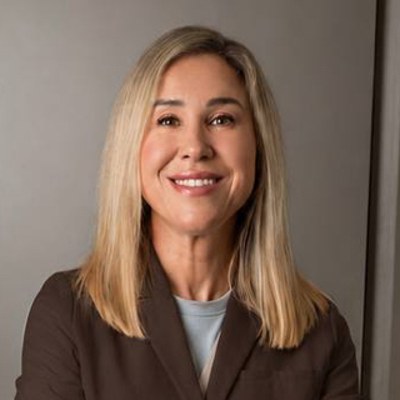
Dr Rowena Hughes
MB BCh BAO, MSc Pharm Med, MBA, PGDip Obs & Gynae, DDermMedical Director, Blush Clinic, Kells · Founder, Dr Rowena's Aesthetics Academy
Dermatology at Blush Clinic is led by Dr Rowena Hughes, a qualified medical doctor with a Diploma in Dermatology (DDerm), postgraduate training in dermatology and over 10 years’ experience working within the HSE as a hospital doctor.
Dr. Rowena Hughes holds a Postgraduate Diploma in Dermatology from the Royal College of Physicians in Ireland and has a special interest in the diagnosis and treatment of rosacea and acne. Acne management at Blush Clinic combines evidence-based medical care with personalised treatment planning, allowing patients access to prescription therapies, medical-grade skincare advice, acne facials, specialized acne supplements and skin biome products and specific acne laser treatments. The goal is not simply to treat today’s breakouts, but to improve long-term skin health and minimise the risk of permanent scarring
Ready to book?
Book online any time. To pay by card over the phone, or to reschedule or cancel, call 087 422 3492, Monday to Friday, 8am to 6pm.