Testosterone replacement therapy
Testosterone replacement therapy to safely restore balance, energy and drive.
- Testosterone deficiency can develop gradually and is often mistaken for stress, burnout, poor sleep or normal ageing.
- Low testosterone can affect energy, mood, libido, strength, recovery, concentration and quality of life.
- TRT should always be medically supervised, with regular follow-up blood tests.
- Treatment aims to restore testosterone to a healthy range, not to create very high levels.
- Sleep, weight, stress, alcohol and exercise can all influence hormone health.
- External testosterone can reduce sperm production, so it may not suit men trying to conceive.
- The goal is steady, sustainable improvement in energy, recovery and quality of life.
About testosterone deficiency
What TRT is, and whether it may apply to you
About testosterone deficiency
What TRT is, and whether it may apply to youAt Blush Clinic, we meet many men who feel they have slowly lost a sense of themselves but are unsure why. Testosterone has a wide influence on the body, supporting energy, mood, motivation, sexual health, muscle strength and long-term bone health.
When levels fall, the changes are often gradual and can be mistaken for stress, poor sleep or simply the passing years. Testosterone deficiency is a recognised medical condition, and understanding whether it may be affecting you can bring real clarity.
You may wish to explore an assessment if you have noticed:
- Reduced libido or changes in sexual performance
- Ongoing tiredness or lack of drive
- Loss of strength or difficulty exercising
- Lower mood, irritability or poor concentration
- Falling asleep easily after meals
- Feeling less like yourself day to day
Our role is to help you understand whether testosterone may be part of the picture.
Assessment and treatment
Blood tests, consultation and how treatment starts
Assessment and treatment
Blood tests, consultation and how treatment startsTRT begins with a careful medical assessment and appropriate blood testing to find out whether low testosterone may be contributing to symptoms such as fatigue, low libido, reduced motivation, brain fog, loss of muscle mass or changes in mood.
Step 1: an early morning blood test. Testosterone levels are naturally highest in the morning, so the first test is taken early. If levels are within the normal range, no further treatment is usually required.
Step 2: a fuller blood screen. If levels are low or borderline, a more comprehensive hormone and health screen is arranged. This helps assess possible causes, confirm suitability for treatment, and make sure it is safe to go ahead.
Step 3: the initial consultation. Before a face-to-face consultation, you complete symptom questionnaires that show how your symptoms affect daily life. At the consultation, we review your symptoms, medical history, BMI, blood pressure and blood results in detail. If TRT is appropriate, we discuss:
- How treatment is given (gels and injectables)
- What improvements to expect over time
- Possible side effects and monitoring requirements
- Ongoing blood tests during the first year of treatment
- Dose adjustment and stabilisation
The aim is to restore testosterone to an appropriate level for your age while carefully monitoring response and safety. Follow-up blood tests and reviews make sure levels stay balanced and do not rise beyond the intended range.
How treatment usually starts. Treatment is usually started with a prescription topical testosterone gel, with levels checked again after 3 months. If you prefer short-acting injections, we can discuss those. If not enough testosterone is absorbed through the skin even after the dose is increased, we can move to injectables such as testosterone cypionate.
We also discuss lifestyle factors such as sleep, nutrition, stress, exercise and overall health, as these can significantly influence hormonal wellbeing and treatment results.
What treatment can do
Steadier energy, better mood and stronger wellbeing
What treatment can do
Steadier energy, better mood and stronger wellbeing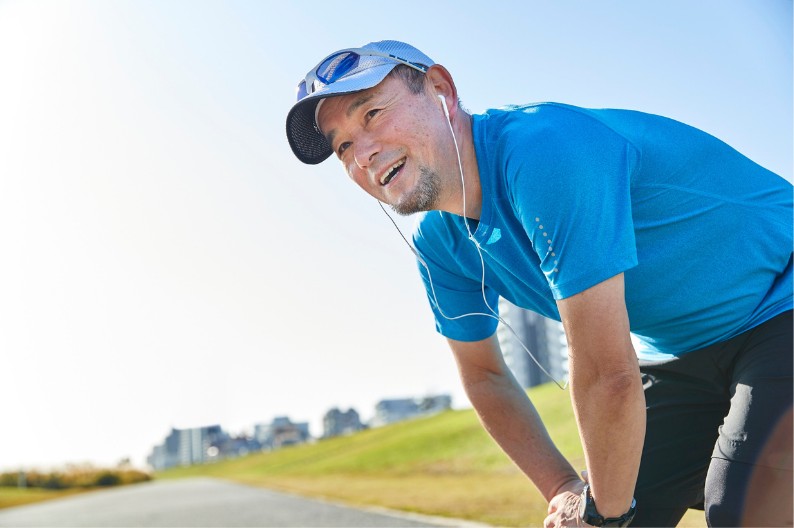
Treatment aims to support:
- More stable energy throughout the day
- Improved libido and sexual confidence
- Better mood and focus
- Support for muscle strength and body composition
- Protection of bone health
- A stronger overall sense of wellbeing
Is it right for me?
Who TRT may suit
Is it right for me?
Who TRT may suit
TRT may be suitable for:
- Men whose blood tests confirm low testosterone
- Men whose symptoms affect quality of life, such as low energy, reduced libido, poor recovery, reduced muscle strength or low mood
- Men seeking medically supervised support after a full clinical assessment and blood evaluation
- Middle-aged and older men with age-related testosterone decline, sometimes called late-onset hypogonadism, testosterone deficiency in the ageing male, or andropause
TRT is intended for men with clinically confirmed testosterone deficiency, not for men seeking fertility treatment. External testosterone, including injections, gels and tablets, can reduce sperm production and lower fertility, so it may not be suitable for younger men who are hoping to start or expand a family.
Men who are concerned about fertility, sperm count or difficulty conceiving should seek assessment through a dedicated fertility clinic. Our focus is the assessment and treatment of testosterone deficiency and hypogonadism. A full medical review and blood screening are always completed first.
Monitoring and follow-up
Blood tests and reviews during treatment
Monitoring and follow-up
Blood tests and reviews during treatmentOngoing monitoring is an important part of TRT, so treatment stays safe, effective and balanced for your body.
On gels: you are reviewed at about 3 months. If the dose changes, bloods are repeated 3 months later.
On injections: blood tests are usually done 6 weeks after starting, and 6 weeks after any dose change.
If symptoms and blood results are stable, reviews move to every 6 months, and then to once a year on gels (every 6 months on injections). If levels are within the target range and symptoms are improving, the same dose is usually continued. If levels stay too low, the dose may be adjusted.

Questions we're asked
What is testosterone deficiency?
What is testosterone deficiency?
Testosterone deficiency, sometimes called hypogonadism, low testosterone or andropause, occurs when testosterone falls below the normal range and begins to affect physical, mental or sexual wellbeing. Symptoms often develop gradually and are more common in middle age and later life.
What are the symptoms of low testosterone?
What are the symptoms of low testosterone?
Symptoms can include low energy or fatigue, reduced libido, erectile difficulties, loss of muscle strength or increased body fat, reduced motivation or low mood, brain fog, poor recovery from exercise, and reduced confidence. These can overlap with other conditions, which is why proper assessment and blood testing matter.
How is testosterone deficiency diagnosed?
How is testosterone deficiency diagnosed?
Diagnosis involves a detailed consultation alongside blood testing. Testosterone levels are interpreted carefully together with symptoms, overall health, medicines and lifestyle.
What blood tests are needed?
What blood tests are needed?
Testing may include testosterone, free testosterone, SHBG, oestradiol, PSA, prolactin, luteinising hormone, follicle stimulating hormone, an iron profile, a full blood count, liver function, cholesterol, and other hormone or health markers where appropriate.
What forms of testosterone treatment are available?
What forms of testosterone treatment are available?
TRT may be prescribed as injections, such as testosterone enanthate or testosterone cypionate, or as topical gels. The right form depends on medical suitability, lifestyle, preference, clinical response, pharmacy availability and cost.
How long does it take to notice improvement?
How long does it take to notice improvement?
Some men notice changes in energy, mood, motivation or libido within a few weeks. Other benefits, such as body composition and strength, may take several months.
Is testosterone replacement therapy safe?
Is testosterone replacement therapy safe?
When prescribed appropriately and monitored carefully, TRT is generally well tolerated by suitable patients. Ongoing follow-up and blood monitoring are essential for safety and effectiveness.
Will I need ongoing monitoring?
Will I need ongoing monitoring?
Yes. Follow-up appointments and blood tests are an important part of treatment, usually at 3 months, then 9 months, then annually. They allow dose adjustments and monitor hormone levels, blood count, prostate markers and overall wellbeing.
Can testosterone therapy affect fertility?
Can testosterone therapy affect fertility?
Yes. External testosterone can reduce sperm production and lower fertility, so TRT is generally not recommended for men who are trying to conceive or planning a family.
Do you treat male infertility?
Do you treat male infertility?
No. We focus on testosterone deficiency and hormone optimisation rather than fertility investigation or treatment. Men with fertility concerns should attend a dedicated fertility clinic.
Is low testosterone just part of ageing?
Is low testosterone just part of ageing?
Testosterone levels decline slightly with age, but significant symptoms should not be ignored. Some men benefit from medical assessment and treatment where levels have fallen below what is normal for their age and symptoms are affecting their life.
Can lifestyle affect testosterone levels?
Can lifestyle affect testosterone levels?
Yes. Sleep, stress, alcohol, body weight, exercise, medicines and overall health can all influence hormone levels and symptoms.
Will testosterone therapy improve gym performance?
Will testosterone therapy improve gym performance?
TRT aims to restore testosterone to healthy levels in men with confirmed deficiency. It is not for bodybuilding or performance enhancement.
What happens at the first appointment?
What happens at the first appointment?
Your first step is a simple testosterone and SHBG blood test. If your levels are low and you go ahead, the face-to-face consultation covers your symptoms, medical history, medicines, lifestyle, your blood results, and what TRT involves.
What might lead to a dose adjustment?
What might lead to a dose adjustment?
The most common reasons are testosterone levels that are too low or too high. Rising haematocrit is also important, and is more likely with injections. Other reasons can include irritability, acne, high oestradiol symptoms, breast tenderness, a rise in blood pressure, low levels before a dose (on injections), or excess libido or energy crashes.
Is treatment long-term?
Is treatment long-term?
Many men continue TRT with regular monitoring to keep the benefits, as testosterone deficiency is often ongoing.
How do I book?
How do I book?
Book your hormone blood test online, or phone 087 422 3492 to book over the phone.

Dr Rowena Hughes
MB BCh BAO, MSc Pharm Med, MBA, PGDip Obs & Gynae, DDermMedical Director, Blush Clinic, Kells · Founder, Dr Rowena's Aesthetics Academy
Testosterone replacement therapy at Blush Clinic is led by Dr Rowena Hughes, with a careful, medically led approach focused on patient safety, appropriate diagnosis and long-term wellbeing.
Testosterone deficiency can be complex, and symptoms such as fatigue, low mood, reduced libido or poor recovery can overlap with many other health conditions. A thorough assessment is essential to find out whether low testosterone is really contributing to symptoms.
Dr Hughes carries out a detailed consultation and reviews comprehensive blood testing before making any recommendation. Where TRT is appropriate, the plan is tailored to you, with the aim of restoring hormone levels to a healthy range while minimising risks.
The focus is on measured, sustainable improvement in wellbeing, energy, strength, recovery and quality of life, not excessive dosing or performance enhancement.
Ready to book?
Book online any time. To pay by card over the phone, or to reschedule or cancel, call 087 422 3492, Monday to Friday, 8am to 6pm.