Perimenopause & menopause care
Doctor-led menopause and perimenopause care in Kells, Co. Meath.
- Perimenopause often begins several years before menopause itself and can cause a wide range of physical and emotional symptoms.
- The average age of menopause in Ireland is around 51, although symptoms may begin much earlier.
- Hormonal changes can affect sleep, mood, energy, brain fog, libido, vaginal health and long-term bone and heart health.
- Menopause is reached when you have gone 12 consecutive months without a natural period.
- Hormone replacement therapy (HRT) is the most effective treatment for menopausal symptoms for many women.
- HRT may also help protect bone density and reduce the long-term risk of cardiovascular disease and type 2 diabetes.
- Blood testing can be useful in identifying other causes of symptoms, such as thyroid problems, anaemia or vitamin deficiencies.
- Personalised medical care can make a significant difference to symptom control, confidence and long-term wellbeing.
About perimenopause and menopause care
What it is, and how we approach it
About perimenopause and menopause care
What it is, and how we approach itAt Blush Clinic, our comprehensive, compassionate approach supports women experiencing hormonal changes from midlife and beyond. We uniquely cater to each stage of life, from the mid-thirties to the seventies, ensuring care evolves with you for long-term well-being. From premenstrual syndrome (PMS) and premenstrual dysphoric disorder (PMDD) to endometriosis, perimenopause and menopause, hormonal conditions can be complex and often difficult to understand. We provide clear guidance, thorough assessment and personalised treatment to help you navigate these transitions with confidence and reassurance.
Our Menopause and Perimenopause Services include:
Menopause Clinic
Expert medical consultations to help you understand hormonal changes, manage symptoms effectively and address menopause-related concerns.
Perimenopause Support
Focused assessment and treatment for the physical and emotional symptoms commonly experienced during the perimenopausal transition.
Hormonal Health Assessment
Comprehensive female hormonal and general health blood screening to provide a detailed snapshot of your hormonal profile and to ensure your symptoms are not being caused by other medical conditions such as thyroid disorders, pre-diabetes, anaemia or low vitamin B12 levels.
Personalised Treatment Plans
Individually tailored care plans, which may include hormone therapy, lifestyle guidance and ongoing medical support, are designed to optimise your long-term wellbeing.
Book a consultation for menopause or perimenopause care now.
How we can help
Why people come to see us
How we can help
Why people come to see usDuring menopause, the loss of hormonal production can have a significant impact on your emotional, physical and sexual wellbeing. Your long-term health is also affected by losing these hormones, and the risks of heart disease and osteoporosis (bone density loss) significantly increase from the time of menopause onwards.
Similarly, during perimenopause, the fluctuation of hormones can lead to symptoms which may range from temporary and mild to severe and prolonged. The symptoms you experience and how long they persist depend on many different things, including your family history. Every woman is different. The average perimenopausal transition lasts about four years and has its onset between ages 45 and 55 in 95% of cases.
Choosing menopause and perimenopause care services can support women with:
Symptom Management: To effectively manage symptoms such as hot flashes, night sweats, mood swings, and sleep disturbances.
Hormonal Balance: To receive guidance on balancing hormones through personalised treatment plans, including hormone replacement therapy (HRT) if appropriate.
Health Monitoring: To monitor and address long-term health risks associated with menopause, such as osteoporosis and cardiovascular disease.
Emotional Support: To receive support and counselling for emotional and psychological changes during this transition.
Personalised Care: To benefit from a tailored approach that considers individual health history, lifestyle, and preferences.
Treatment options
What we offer, and what to expect
Treatment options
What we offer, and what to expectThe most effective treatment for the symptoms of menopause is to replace the hormones that your body is no longer producing. Hormone replacement therapy (HRT) is designed to restore these hormones and typically contains oestrogen, along with a progesterone if required, and in some cases testosterone.
Oestrogen can be administered in several forms, patches, gels or sprays or tablets. The progesterone component may be given as an oral capsule or tablet, a patch, a vaginal capsule, or as part of an intrauterine device (IUD). Your treatment will be carefully selected based on your symptoms, medical history and personal preferences.
Since 1 June 2025, eligible HRT medication prescribed for menopause symptoms has been available free of charge at participating pharmacies in Ireland.
What treatment can do
Realistic expectations
What treatment can do
Realistic expectationsIn addition to relieving menopausal symptoms, HRT plays an important role in protecting long-term health. It helps reduce the risk of osteoporosis (bone thinning), cardiovascular disease and type 2 diabetes. For the majority of women, the benefits of taking HRT significantly outweigh any potential risks when appropriately prescribed and monitored.
Is it right for me?
Who it suits
Is it right for me?
Who it suitsHormone replacement therapy may be suitable for women experiencing symptoms of perimenopause or menopause that are affecting their quality of life. It is particularly beneficial for those experiencing hot flushes, night sweats, mood changes, sleep disturbance or vaginal symptoms, and for women concerned about their future bone and heart health.
Before starting treatment, a thorough medical consultation and assessment will be conducted to ensure that HRT is safe and appropriate for you. Alternative treatment options are also available for women who are not suitable candidates for hormone therapy.
Aftercare and follow-up
What to expect afterwards
Aftercare and follow-up
What to expect afterwardsAt Blush Clinic, aftercare is an important part of your ongoing support and wellbeing. We will guide you throughout your treatment and ensure it continues to meet your needs safely and effectively.
You will be offered regular follow-up appointments at 3 and 9 months after you start HRT. If everything is going well, you will then only need a face-to-face appointment once a year. At your follow-up appointments we review your symptoms, check if anything has changed medically since your last visit and adjust your treatment if needed. Alongside medical treatment, we provide guidance on lifestyle choices such as nutrition, exercise, and stress management. Where appropriate, Dr. Hughes may refer you for scans such as DEXA or ultrasound scans or refer you to a gynaecologist.
Pricing / Packages

Questions we're asked
What is the menopause?
What is the menopause?
Menopause is the stage of life when a woman’s ovaries stop producing certain key hormones. You are considered to be menopausal once you have gone a full twelve months without a natural menstrual period. This marks the end of your reproductive years and the beginning of a new hormonal phase.
What happens during menopause?
What happens during menopause?
Menopause occurs when the ovaries no longer release eggs and the levels of hormones such as oestrogen, progesterone and testosterone gradually decline. These hormonal changes are responsible for many of the symptoms associated with menopause. The average age of menopause in Ireland is around 51, although this can vary from woman to woman.
Why is oestrogen important?
Why is oestrogen important?
Oestrogen plays an essential role in supporting your overall health and wellbeing. Oestrogen receptors are found throughout the body, and when levels fall, this can affect many different systems. In particular, lower oestrogen levels increase the long-term risk of cardiovascular disease and osteoporosis (bone thinning), making hormonal health especially important during and after menopause.
What is perimenopause?
What is perimenopause?
Perimenopause is the transitional phase leading up to menopause, when hormone levels begin to fluctuate. During this time, periods may become lighter or heavier, more or less frequent, and symptoms of hormonal change may start to appear. Perimenopause commonly begins in the mid-forties, although some women notice changes earlier or later.
What are the symptoms of perimenopause
What are the symptoms of perimenopause
The fluctuation of these hormones can lead to symptoms which may range from temporary and mild to severe and prolonged. What symptoms you experience and how long they persist depends on many different things including your family history. Every woman is different. The average perimenopausal transition lasts about 4 years and has its onset between ages 45 and 55 in 95% of cases.
What is hormone replacement therapy?
What is hormone replacement therapy?
The most effective treatment for symptoms of the menopause is to replace the hormones your body no longer produces. Hormone replacement therapy (HRT) contains oestrogen, a progestogen (or progesterone) if required, and in some cases, testosterone.
The oestrogen can be given as a tablet, patch, gel or spray and the progesterone component as an oral capsule, tablet, patch, vaginal capsule or as an intrauterine device.
Q.7 What are the benefits of HRT?
HRT also protects your future health from osteoporosis, heart disease and type 2 diabetes. For most women the benefits of taking HRT outweigh any risks.
Are there non-hormonal treatments available?
Are there non-hormonal treatments available?
There are also non-hormonal medications that can be helpful such as clonidine and SSRI’s (selective serotonin reuptake inhibitors) and SNRIs (serotonin and norepinephrine reuptake inhibitors) may help improve vasomotor symptoms.
Cognitive behavioural therapy is also very helpful towards dealing with low mood and anxiety.
Do I need blood tests before starting HRT?
Do I need blood tests before starting HRT?
Not usually. For most women, hormone replacement therapy (HRT) can be prescribed based on symptoms, medical history, and a clinical assessment without the need for hormone blood tests.
In women over the age of 45, menopause and perimenopause are generally diagnosed clinically. Blood tests such as oestradiol, progesterone, and FSH levels can fluctuate significantly during perimenopause and may not accurately reflect how a woman is feeling or whether she would benefit from treatment.
However, blood tests may be recommended in certain situations. For example, they may be useful in younger women, where the diagnosis is unclear, or if there are concerns about another underlying medical condition.
Blood tests can also be helpful after starting HRT if symptoms are not improving as expected. In some cases, testing may help determine whether hormones are being adequately absorbed, particularly with transdermal preparations such as gels or sprays, or whether adjustments to treatment may be needed.
At Blush Clinic, Dr Rowena Hughes takes an individualised approach to menopause care and will advise whether any investigations are appropriate based on your symptoms, medical history, and response to treatment.
Can menopause cause rosacea?
Can menopause cause rosacea?
Yes. Many women notice that rosacea develops or worsens during perimenopause and menopause. While menopause does not directly cause rosacea, the hormonal changes that occur during this time can make symptoms more noticeable.
Falling oestrogen levels can affect the skin barrier, blood vessels, and inflammatory pathways within the skin. Hot flushes, increased facial flushing, heat sensitivity, and changes in skin hydration may all contribute to rosacea flare-ups. Some women experience rosacea for the first time during menopause, while others find that an existing condition becomes more difficult to control.
Rosacea symptoms can include persistent facial redness, flushing, visible blood vessels, burning or stinging sensations, and acne-like bumps and pustules. These symptoms can sometimes be mistaken for adult acne.
At Blush Clinic, Dr Rowena Hughes takes a holistic approach to rosacea management, assessing not only the skin itself but also potential hormonal influences, lifestyle triggers, skincare routines, and underlying health factors. Treatment may include prescription medications, skincare advice, IPL or vascular laser treatments, and management of flushing triggers where appropriate.
Can menopause cause acne?
Can menopause cause acne?
Yes. Although many people associate acne with teenagers, it is quite common for women to develop acne during perimenopause and menopause. As oestrogen levels decline, the balance between oestrogen and androgens (male-type hormones that are naturally present in women) changes. This can lead to increased oil production, clogged pores, and inflammatory spots.
Menopausal acne often appears around the chin, jawline, neck, and lower face and may occur even in women who have never suffered from acne before. Some women also notice that their skin becomes more sensitive, dry, or prone to redness during this time.
Treatment depends on the underlying cause and may include prescription skincare such as tretinoin, topical anti-androgen cream, oral medications such as antibiotics, spironolactone or Roaccutane and in some cases hormone replacement therapy (HRT) if you are not already taking HRT. During your consultation, Dr Rowena Hughes will assess whether hormonal changes may be contributing to your skin concerns and discuss the most appropriate treatment options for you.
How do I book a consultation?
How do I book a consultation?
Booking a consultation at Blush Clinic is simple. Appointments for menopause and perimenopause care can be made through our online booking system or by phoning 087 4223492, where you can choose a convenient time and begin your personalised care journey.
How does menopause affect health?
How does menopause affect health?
This loss of hormone production can have a significant impact on your emotional, physical and sexual wellbeing. Your long-term health is also affected: the risks of heart disease and osteoporosis (bone density loss) increase significantly from the time of menopause onwards.
What are the benefits of HRT?
What are the benefits of HRT?
HRT also protects your future health from osteoporosis, heart disease and type 2 diabetes. For most women the benefits of taking HRT outweigh the risks.
Why do you need to take progestogen in HRT?
Why do you need to take progestogen in HRT?
Oestrogen is the main hormone in HRT. Progestogen is added for women who still have their womb, to protect the lining of the womb from the effects of oestrogen. Your doctor will explain which combination suits you.
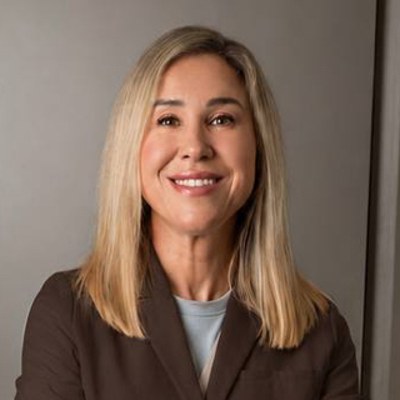
Dr Rowena Hughes
MB BCh BAO, MSc Pharm Med, MBA, PGDip Obs & Gynae, DDermMedical Director, Blush Clinic, Kells · Founder, Dr Rowena's Aesthetics Academy
Women's health care at Blush Clinic is led by Dr Rowena Hughes, a qualified medical doctor with a Diploma in Dermatology (DDerm) from the Royal College of Physicians in Ireland, a postgraduate diploma in Obstetrics and Gynaecology, and many years of experience in women's health.
Perimenopause and menopause care at Blush Clinic is led by Dr Rowena Hughes, whose training and clinical focus in women’s hormonal health support a careful, evidence-based approach to treatment. Her work combines medical expertise with an understanding that hormonal change can affect every woman differently, both physically and emotionally.
Each consultation is approached with time, sensitivity and attention to detail. Dr Hughes takes into account your symptoms, medical history, any recent blood results, long-term health risks and personal preferences before recommending treatment. This allows care to be tailored in a way that is both medically appropriate and realistic for your life.
For many women, this stage can feel confusing, isolating or difficult to navigate alone. We aim to provide clear advice, thoughtful treatment planning, and ongoing support so you feel informed, reassured, and confident in the care you receive.
Read more about HRT and menopause
Calcium, vitamin D, strength training and the habits that affect your bones.
Read the articleA friendly guide to HRT, weight changes and what to expect.
Read the articleWhy symptoms usually settle, and what to know about HRT if you have had endometriosis.
Read the articleReady to book?
Book online any time. To pay by card over the phone, or to reschedule or cancel, call 087 422 3492, Monday to Friday, 8am to 6pm.