PMOS (formerly PCOS)
Helping you regain balance and control with expert PCOS care.
- PMOS affects around 1 in 10 women of reproductive age worldwide.
- It is the most common hormonal and metabolic disorder affecting premenopausal women.
- PMOS can cause irregular periods, fertility difficulties, acne, excess hair growth, hair thinning and weight changes.
- Many women with PMOS have insulin resistance, which increases the risk of type 2 diabetes and cardiovascular disease.
- Many women with the condition don’t actually have ovarian cysts (they have multiple immature follicles, not true cysts)
- There is no cure for PMOS, but symptoms can be effectively managed with the right treatment and lifestyle support.
- Early diagnosis and treatment can reduce long-term health risks and improve fertility and quality of life.
- Symptoms and severity vary widely from one woman to another.
About pcos
What it is, and how we approach it
About pcos
What it is, and how we approach itPolyendocrine metabolic ovarian syndrome (PMOS) is the updated name for polycystic ovary syndrome (PCOS), a common hormonal and metabolic condition affecting people with ovaries. Adopted in May 2026, the name better reflects the condition’s whole-body hormonal and metabolic effects rather than focusing solely on ovarian cysts, which are not required for diagnosis.
At Blush Clinic, we offer specialist, compassionate care for women living with polycystic ovary syndrome (PCOS) now known as PMOS, which stands for Polyendocrine Metabolic Ovarian Syndrome. PMOS is the most common hormonal and metabolic disorder affecting premenopausal women, with around 5–10% experiencing symptoms at some stage of their lives. It is characterised by changes in ovulation, raised levels of male-type hormones (androgens) and insulin resistance, and can affect both reproductive and long-term health.
PMOS can present in many different ways, with symptoms such as irregular or absent periods, fertility difficulties, acne, excess facial or body hair, hair thinning, abdominal bloating and mood changes. Although there is no cure, PMOS can be effectively managed with the right combination of medical care, lifestyle support and ongoing guidance. Our PMOS service offers comprehensive assessment using recognised diagnostic criteria, personalised treatment plans, hormonal and medical therapies, lifestyle and dietary advice, and emotional support.
How we can help
Why people come to see us
How we can help
Why people come to see usLiving with PMOS can affect many aspects of health and well-being. Irregular or absent periods, difficulties with fertility, unwanted hair growth, acne, weight changes and ongoing fatigue are common concerns. Many women also experience insulin resistance, which can increase the long-term risk of type 2 diabetes, as well as emotional challenges such as anxiety, low mood or reduced self-confidence. Because symptoms vary widely and can change over time, PMOS can feel confusing and difficult to achieve a diagnosis or to manage without specialist support.
Women choose PMOS care at Blush Clinic to gain clarity, reduce symptoms and feel more in control of their health. Specialist treatment can help restore hormonal balance, regulate menstrual cycles, maintain a healthy weight, reduce hirsuitism and hormonal acne.
Treatment options
What we offer, and what to expect
Treatment options
What we offer, and what to expectBlush Clinic offers a comprehensive range of treatments to help manage PMOS, carefully tailored to your symptoms, health concerns and personal goals. Hormonal therapies such as combined oral contraceptives may be used to regulate menstrual cycles, reduce androgen levels and improve acne. At the same time, progestogen treatment can help support regular periods and protect the lining of the womb.
For women with insulin resistance or weight management difficulties, medications such as metformin and newer treatments, including GLP-1 agonists, may be prescribed to improve insulin sensitivity, support ovulation, and assist with weight loss.
If fertility is a priority we can refer you to a fertility specialist.. We also provide cosmetic treatments, such as laser hair removal for unwanted hair growth, male pattern scalp hair thinning, topical therapies for acne and other skin concerns, and emotional support or counselling when needed.
What treatment can do
Realistic expectations
What treatment can do
Realistic expectationsTreatment for PMOS at Blush Clinic is designed to support both immediate symptom relief and long-term health, helping you feel more balanced, confident and in control of your wellbeing. Hormonal therapies can help regulate menstrual cycles, balance female hormones and reduce the risk of changes to the lining of the womb, including endometrial cancer. Many women also notice improvements in symptoms such as acne, unwanted hair growth, hair thinning and weight which support confidence and self-esteem.
Early diagnosis and comprehensive care play an important role in protecting future health. Blood tests allow us to screen for and treat conditions such as insulin resistance, diabetes, high blood pressure, high cholesterol and raised triglycerides, helping to reduce long-term metabolic and cardiovascular risks. Support with weight management and lifestyle changes further lowers these risks and improves overall well-being. By understanding your individual risk profile and receiving tailored guidance, you are better equipped to make positive, lasting changes that help protect your health.
Is it right for me?
Who it suits
Is it right for me?
Who it suitsOur consultation is suitable for women who suspect PMOS, have symptoms affecting daily life, or want guidance on managing PMOS and reducing long-term risks such as diabetes and cardiovascular disease.
PMOS treatment at Blush Clinic may be right for you if symptoms are beginning to affect your comfort, confidence or quality of life. Many women seek support for irregular or absent periods, unwanted male pattern hair growth, thinning scalp hair, mood instability, persistent acne, weight or difficulties with fertility that can feel challenging to manage alone.
Aftercare and follow-up
What to expect afterwards
Aftercare and follow-up
What to expect afterwardsAt Blush Clinic, ongoing care is central to the successful management of PMOS. After treatment begins, we continue to support you with regular reviews to monitor your progress, respond to any changes in symptoms and refine your care plan as needed.
We will guide you in building healthy routines around nutrition, movement and stress management, and support you with weight management where this is a priority. Clear advice is provided on your medications and any side effects to watch for, and emotional support or counselling can be arranged if PMOS is affecting your confidence or wellbeing. Our team remains closely involved in your care, offering reassurance, continuity and open communication to help you feel confident and supported at every stage.
Pricing / Packages

Questions we're asked
What is PMOS?
What is PMOS?
Polyendocrine Metabolic Ovary Syndrome (PMOS) is a common hormonal and metabolic condition that affects how the ovaries work. It can involve irregular ovulation, raised levels of male-type hormones and insulin resistance, and may affect periods, fertility, skin, weight and long-term health.
What are the common symptoms of PMOS?
What are the common symptoms of PMOS?
Symptoms of PCOS vary from woman to woman. They may include irregular or absent periods, difficulty conceiving, acne, unwanted facial or body hair, hair thinning, weight gain, bloating and mood changes. Some women have mild symptoms, while others find they have a significant impact on daily life.
Can PMOS be treated?
Can PMOS be treated?
Although there is no cure for PMOS, it can be very effectively managed. Treatment focuses on relieving symptoms, balancing hormones, supporting fertility where needed and protecting long-term health. With the right combination of medical care, lifestyle support, and ongoing guidance, many women experience significant improvements in their symptoms and well-being.
How do I book an appointment?
How do I book an appointment?
Booking an appointment at Blush Clinic is quick and easy. Simply use our online booking system to choose a time that suits you and arrange your PMOS consultation or you can phone 087 4223492 to book in over the phone.
How is PCOS diagnosed?
How is PCOS diagnosed?
PCOS is challenging to diagnose, because the criteria are debated and the symptoms vary from woman to woman.
The Rotterdam criteria (2003) are widely accepted. Two of the following three must be present, and other conditions that mimic PCOS must be ruled out:
Irregular or absent periods (oligo-ovulation or anovulation).
Signs of raised androgens (male-type hormones), either in blood tests (raised testosterone, free androgen index or DHEAS) or clinically, such as excess hair growth, acne or male-pattern hair loss.
Polycystic ovaries on ultrasound (12 or more follicles of 2–9 mm in either ovary, and/or increased ovarian volume over 10 ml).
Why is it important to get PCOS diagnosed?
Why is it important to get PCOS diagnosed?
PCOS is linked with type 2 diabetes, high cholesterol and triglycerides, high blood pressure, fatty liver, sleep apnoea and an increased risk of endometrial cancer. It is also linked with fertility difficulties, pre-term delivery, gestational diabetes and pre-eclampsia.
An early diagnosis allows hormonal treatment to balance hormones, reduce the risk of endometrial cancer, and reduce acne and hirsutism. It also allows blood tests to screen for and treat diabetes, high cholesterol and triglycerides, and gives you the chance to make healthy changes.
What causes PCOS?
What causes PCOS?
The exact cause is not fully understood. The most widely accepted explanation is insulin resistance, which means the body needs more insulin to respond to glucose. The extra insulin stimulates the ovaries and adrenal glands to make more androgens, and this disrupts ovulation and the menstrual cycle.
Some specialists also think the cause is partly ovarian, adrenal or in the brain’s hormone signalling.
What are the symptoms of PCOS?
What are the symptoms of PCOS?
PCOS usually begins after puberty, and it affects the whole body, not only the reproductive system. Symptoms can include:
Irregular, light or absent periods.
Excess dark hair on the face, chest, abdomen or back (hirsutism).
Severe acne, oily skin and mood swings.
Excess belly fat and weight gain around the middle.
Thinning hair or male-pattern hair loss.
Skin tags, and dark, velvety patches of skin on the neck, armpits or under the breasts.
Fertility difficulties.
Enlarged ovaries, or ovaries with many small cysts.
Why is PCOS often missed or diagnosed late?
Why is PCOS often missed or diagnosed late?
Symptoms vary in severity and can change over a woman’s life. It can be hard to tell normal variation from PCOS, especially in young women. Many women see several doctors before they are diagnosed.
Do you need polycystic ovaries to be diagnosed with PCOS?
Do you need polycystic ovaries to be diagnosed with PCOS?
No. Despite the name, you do not need polycystic ovaries to be diagnosed with PCOS. The diagnosis needs two of the three criteria above, after other causes have been ruled out.
In adolescents and young women within about eight years of starting periods, ovary appearance on ultrasound and anti-Müllerian hormone levels are not used to diagnose PCOS, because they can be normal changes of puberty.
Is PCOS associated with obesity?
Is PCOS associated with obesity?
Many women with PCOS have obesity, and it can make symptoms worse, but obesity is not needed for the diagnosis. Insulin resistance can also occur in women who are not overweight.
It is not fully known whether PCOS causes weight gain or whether weight gain leads to insulin resistance. Symptoms such as irregular periods, hirsutism and acne often get worse with weight gain.
If lifestyle changes and combined hormonal contraception are not enough to help you reach a healthy weight, prescription weight-loss medicines (GLP-1 and GIP medicines) are now available and can be discussed with Dr Rowena.
What is hirsutism?
What is hirsutism?
Hirsutism is excess dark, thick hair in areas where women usually have little hair, such as the face, chest, abdomen and back. Light blonde or white hair is not hirsutism. It affects around 5–10% of women, and it is the most common sign of raised androgens in PCOS.
Many women find hirsutism distressing, and it is treatable. Treatment is usually started with a combined oral contraceptive. If the improvement is not enough after about six months, an anti-androgen medicine can be added. Laser hair removal and electrolysis are also effective, but usually need several sessions. Women should stay on their medication while having laser, to stop the hair growing back. Laser works best on light skin with dark hair.
What type of acne is associated with PCOS?
What type of acne is associated with PCOS?
PCOS acne is usually deep, tender knots under the skin, along the jawline, chin, cheeks and neck, and it can last long after the teenage years.
Antibiotics may help, but they only treat the symptom for as long as you take them, because the cause is the hormone imbalance, especially raised androgens, and insulin resistance. The first treatment is usually a combined oral contraceptive. If weight, acne and mood are also a problem, a GLP-1 medicine may help.
Gentle skincare and prescription topical treatments such as tretinoin can help too, but the main treatment for PCOS-driven acne is medical treatment to balance your hormones and metabolism.
What are the medical treatment options for PCOS?
What are the medical treatment options for PCOS?
Combined contraception (the pill, ring or patch) is a first-line treatment for women who are not trying to get pregnant. It helps regulate periods and improves acne.
Some women choose laser hair removal or electrolysis for hirsutism.
Many women with PCOS have insulin resistance. A GLP-1 medicine, or a combined GLP-1 and GIP medicine, may be prescribed to improve insulin levels and help ovulation. Because insulin resistance can cause weight gain around the middle, a balanced diet and regular exercise are as important as medicine.
Do you provide infertility treatment for women with PCOS?
Do you provide infertility treatment for women with PCOS?
PCOS can make ovulation difficult, so it can be hard to become pregnant without help. Clomiphene is a common medicine used to stimulate ovulation, and injectable hormones (gonadotropins) are another option.
We do not provide these fertility treatments at Blush Clinic, but we are happy to refer you to a specialist fertility clinic if you are having difficulty conceiving.
What are fertility rates like for women with PCOS?
What are fertility rates like for women with PCOS?
Many women first discover they have PCOS when they have difficulty conceiving. Studies have shown that the overall outlook for fertility is good, with live birth rates similar to women without PCOS. Controlling weight and insulin resistance improves fertility, and treatments such as clomiphene have a good success rate.
Women with PCOS still need to use contraception if they do not want to become pregnant.
Are there supplements that might help with PCOS?
Are there supplements that might help with PCOS?
Some supplements are used alongside treatment. Inositol (myo-inositol and D-chiro-inositol) is a sugar-like supplement taken daily to improve insulin sensitivity, and some studies suggest a combination works better than either alone. Omega-3 fatty acids may help reduce inflammation, and vitamin D and magnesium may help hormone balance and insulin sensitivity.
Supplements are not a substitute for medical assessment. Please speak to Dr Rowena before starting any supplement, especially if you take other medicines.
What lifestyle changes help with PCOS?
What lifestyle changes help with PCOS?
A healthy lifestyle is very important with PCOS, because it is driven by insulin resistance. Eating plenty of high-fibre foods and lean protein, and limiting refined carbohydrates and sugary foods, can be enough on its own to help if your PCOS is mild.
Foods to limit: refined carbohydrates such as white bread, sugary snacks and drinks, and processed and red meats.
Foods to focus on: lean proteins, healthy fats and high-fibre vegetables, and anti-inflammatory foods such as oily fish, leafy greens and berries.
Exercise in a way that suits you. Strength training improves insulin sensitivity and supports weight management. Walking, yoga and Pilates are gentler options. Very intense exercise such as HIIT can raise cortisol, so balance it with rest.
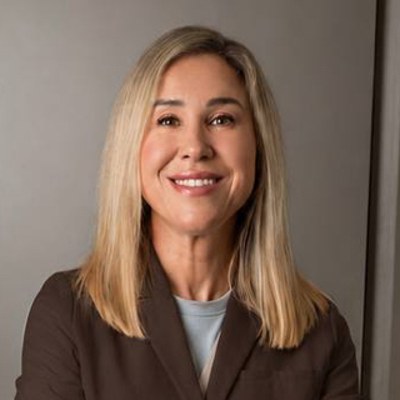
Dr Rowena Hughes
MB BCh BAO, MSc Pharm Med, MBA, PGDip Obs & Gynae, DDermMedical Director, Blush Clinic, Kells · Founder, Dr Rowena's Aesthetics Academy
Women's health care at Blush Clinic is led by Dr Rowena Hughes, a qualified medical doctor with a Diploma in Dermatology (DDerm) from the Royal College of Physicians in Ireland, a postgraduate diploma in Obstetrics and Gynaecology, and many years of experience in women's health.
PMOS care at Blush Clinic is led by Dr Rowena Hughes, whose experience in hormonal and metabolic health informs a careful, comprehensive approach to diagnosis and treatment. Because PMOS can affect so many areas of health — including cycles, skin, fertility, weight, insulin resistance and emotional wellbeing — assessment needs to be both detailed and individualised.
Dr Hughes takes the time to understand how PMOS is affecting you personally, whether your concerns relate more to periods, fertility, acne, hair changes, weight, energy or long-term health risks. Treatment is then tailored to your symptoms, test results, plans and overall wellbeing.
We understand that PMOS can feel frustrating, confusing and at times disheartening. The aim is to give you clarity, practical medical support and a treatment plan that helps you feel more balanced, informed and in control of your health.
Read more about PMOS
What the research says about PMOS (formerly PCOS) and what helps.
Read the articleReady to book?
Book online any time. To pay by card over the phone, or to reschedule or cancel, call 087 422 3492, Monday to Friday, 8am to 6pm.