Hair loss (alopecia)
Compassionate medical care to support healthier hair and renewed confidence.
- The most important step in treating hair loss is an accurate diagnosis.
- Different types of hair loss require different approaches.
- Male and female pattern hair loss is often treated with PRP, alongside DHT control where appropriate.
- Stress-related hair loss is managed by addressing the underlying trigger.
- Nutritional deficiencies should be corrected before starting treatment.
- Alopecia areata is typically treated with targeted steroid injections.
- Scarring alopecia requires careful medical management.
About hair loss
What it is, and how we approach it
About hair loss
What it is, and how we approach itHair loss can feel deeply personal. For many people, it develops slowly, and the first signs -extra hairs on a brush, thinning at the temples, a widening parting - can bring real worry about what lies ahead, for others hair loss can occur faster or be more advanced. At Blush Clinic, we approach hair loss as a medical condition rather than a cosmetic problem, taking time to understand what may be happening beneath the surface, e.g. its duration, rate of progression, is it shedding or hair miniaturisationAlopecia can have many causes, from genetic pattern hair loss to stress, hormonal causes, autoimmune, nutritional issues or medication effects. Our role is to help you make sense of this, offer clear options, and support you in choosing a treatment path that feels realistic and comfortable.
How we can help
Why people come to see us
How we can help
Why people come to see usHair thinning is extremely common in both men and women. The key to effective treatment is understanding why the hair loss is happening. Different causes require different approaches. At our clinic, we assess the pattern, timing, and underlying triggers before recommending treatment.
Hair loss can occur for several reasons and often presents differently in men and women. In men, it is commonly genetic and hormone-driven, leading to a receding hairline and thinning at the crown. In women, it more often appears as a widening parting, overall thinning and reduced volume, often influenced by hormonal changes during perimenopause or PCOS.
Hair can also thin naturally with age as growth slows and follicles become smaller. In some cases, sudden shedding can occur due to stress, illness, or major life events, while nutritional deficiencies, such as low iron, vitamin D, or vitamin B12, can also contribute.
Because hair loss has many possible causes, treatment is not one-size-fits-all. The most effective approach depends on identifying the underlying cause, which may involve prescription medical treatment, regenerative therapies such as PRP or PRF, polynucleotides, or mesotherapy as well as using specific hair serums, taking supplements and addressing lifestyle and nutritional factors.
Treatment options
How we treat it
Treatment options
How we treat itMale pattern hair loss is commonly linked to increased sensitivity of the hair follicles to DHT (dihydrotestosterone). Treatment decisions depend on severity, duration and speed of balding. Treatments may include platelet-rich plasma (PRP), platelet-rich fibrin (PRF), and scalp mesotherapy containing vitamins, minerals, amino acids, exosomes anti-DHT herbal supplements. We may also prescribe oral finasteride or dutasteride or topical or oral minoxidil if hair loss is more progressive or moderate/advanced. At the clinic we make recommendations regarding supportive home treatments such as scalp serums, supplements, and red light therapy devices.
Female pattern hair loss is often influenced by hormonal changes, menopause, stress, genetics, and nutritional deficiencies. Treatment may include hormone replacement therapy (HRT) where appropriate, microneedling and mesotherapy with specific hair mesotherapy, supplements, platelet rich plasma (PRP), platelet rich fibrin (PRF), and polynucleotide scalp injections, hair exosomes designed to support healthier, stronger hair growth. If DHT sensitivity is believed to be cause of hair loss then DHT modulating herbal remedies may be recommended, or spironolactone prescribed in PCOS cases. If it is peri and post-menopausal hair loss then topical/oral minoxidil plus topical or oral finasteride may be prescribed.
For inflammatory or autoimmune hair loss conditions such as alopecia areata, steroid injections into the scalp may help reduce inflammation and support regrowth in affected areas.
Some patients have scarring alopecia, where permanent damage to the hair follicles has occurred. While regrowth may not always be possible, steroid injections may still help reduce inflammation, protect remaining hair, and slow progression.
We also treat age-related hair thinning and diffuse shedding in the clinic using regenerative treatments such as PRP, PRF, polynucleotides, and scalp mesotherapy to support scalp health and improve hair quality over time.
What treatment can do
Realistic expectations
What treatment can do
Realistic expectationsHair loss treatment can help stimulate new growth, improve hair density and create a healthier scalp where existing hair can thrive.. Treatment plans are tailored to the individual, recognising that no two patterns of hair loss are the same. Depending on the cause of the hair loss treatment might be aimed at stimulating new hair growth or maintaining the existing hair. As hair begins to improve, many people notice a welcome lift in confidence and comfort with their appearance, along with a better understanding of how to care for their hair in the long term.
Is it right for me?
Who it suits
Is it right for me?
Who it suitsHair loss treatment may be helpful for:
- Men and women with androgenetic (pattern) hair loss
- People noticing thinning or reduced volume
- Hair loss linked to medical conditions or vitamin and mineral deficiency
- Hair loss due to immune system attacking hair follicles
- Loss following stress or telogen effluvium
- Thinning related to medication
- Anyone wishing to improve hair strength and quality
Aftercare and results
What to expect afterwards
Aftercare and results
What to expect afterwardsMost hair treatments involve very little downtime, but gentle aftercare helps you get the best from each session. We usually recommend avoiding washing your hair for the first 24 hours and using mild products for a few days to allow the scalp to settle. Hair injectable treatments are normally performed at monthly intervals in keeping with the hair growth cycle. You can use home devices to help stimulate scalp circulation and you will be advised on home care serums and supplements to take to promote hair growth. Your practitioner will provide any specific advice based on your treatment and will be available to answer questions between appointments. Hair restoration is a gradual process, and we will guide you on what to expect over the coming weeks and months.

Questions we're asked
What are the different types of hair loss?
What are the different types of hair loss?
There are several common types of hair loss:
- Male pattern hair loss (androgenetic alopecia)
- Female pattern hair loss (androgenetic alopecia)
- Age-related thinning
- Stress-related shedding (telogen effluvium)
- Nutritional deficiency hair loss
- Alopecia areata (autoimmune patchy hair loss)
- Scarring alopecia (inflammatory destruction of follicles)
- Drug induced alopecia
- Traction and chemical alopecia
- Skin disorders causing inflammation on the scalp
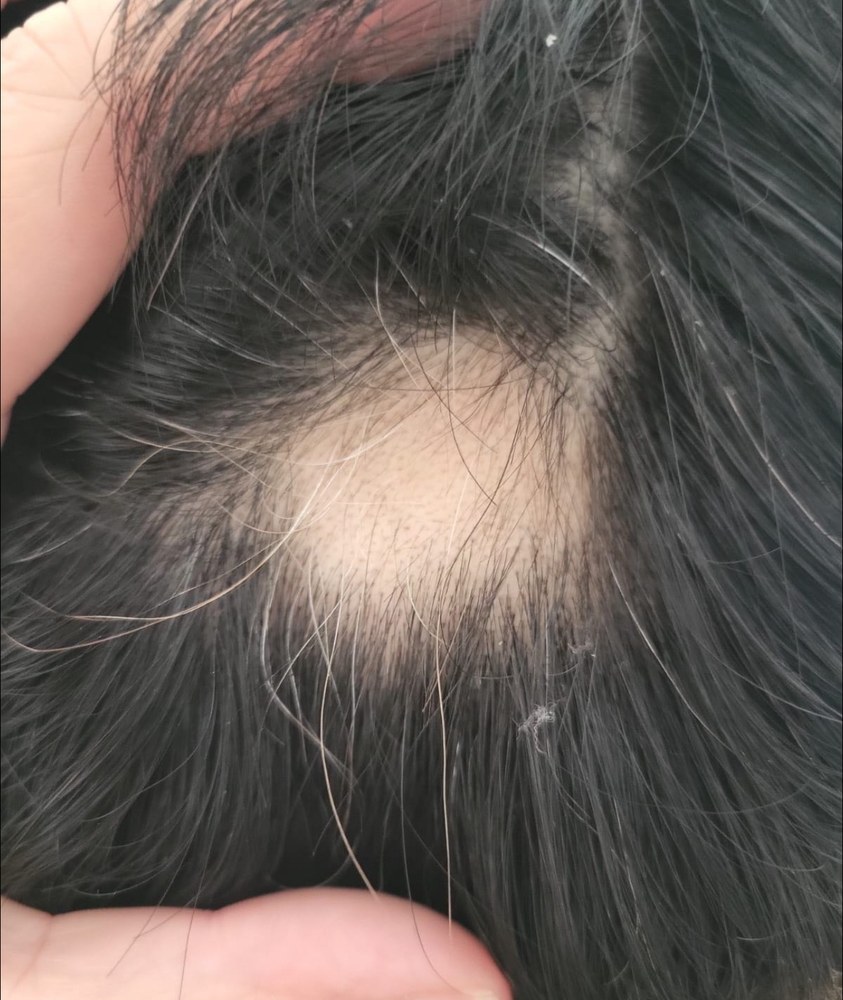
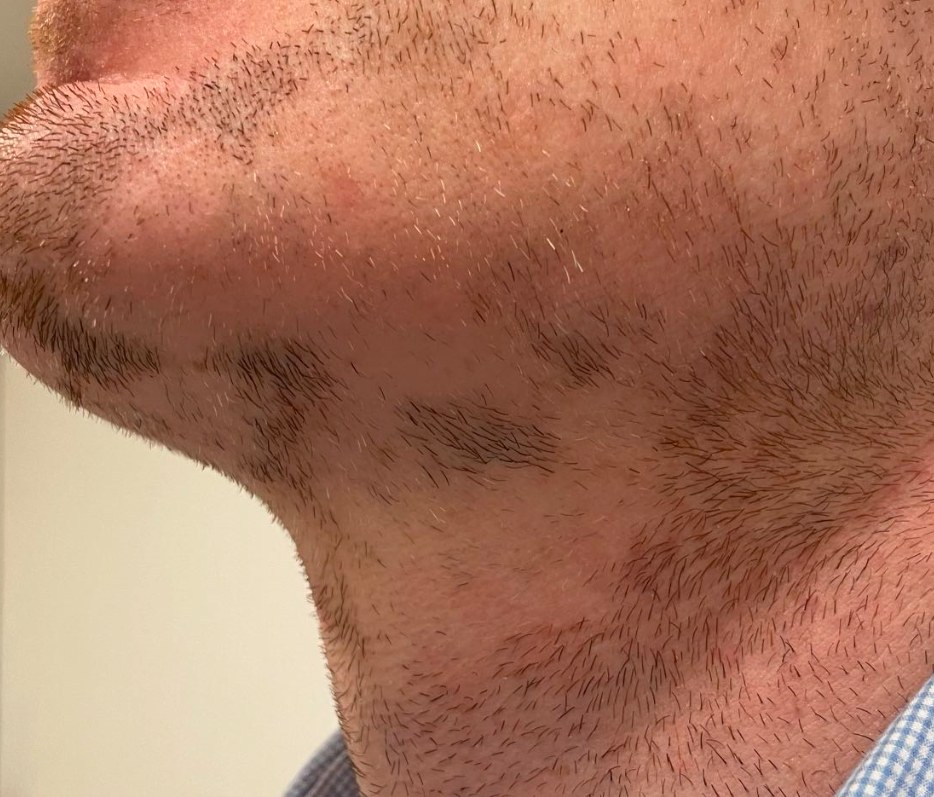
Correct diagnosis is essential before starting treatment.
What is telogen effluvium?
What is telogen effluvium?
[Telogen effluvium](https://www.healthline.com/health/telogen-effluvium) is a common type of sudden [hair loss](https://www.healthline.com/health/hair-loss) that typically results from stress or shock. Common triggers may include:
- [childbirth](https://www.healthline.com/health/parenting/postpartum-hair-loss)
- [menopause](https://www.healthline.com/health/menopause/hair-loss)
- [polycystic ovary syndrome (PCOS)](https://www.healthline.com/health/pcos-hair-loss-2)
Other causes include nutrition deficiencies, endocrine disorders, and dramatic weight loss.
Telogen effluvium tends to resolve once the underlying stressor has been addressed. However, it may take several months before hair volume is restored.
What is Alopecia areata?
What is Alopecia areata?
Alopecia areata is an autoimmune condition that causes sudden patchy hair loss. It can affect the scalp, beard area, eyebrows, and other hair-bearing areas.
Alopecia areata is caused by the immune system mistakenly attacking the hair follicle.
This results in:
- Smooth, round bald patches
- Sudden hair shedding in defined areas
- Sometimes eyebrow or beard loss
Importantly, the follicle is usually still alive — it is simply suppressed by inflammation.
At our clinic, we provide medical assessment and treatment for alopecia areata, including intralesional steroid scalp injections, which are considered first-line treatment for many cases.
Is alopecia areata permanent?
Is alopecia areata permanent?
Not usually. The hair follicle often remains alive, which means regrowth is possible. However, the condition can be unpredictable and may recur.
What treatment do you do at the clinic for alopecia areata?
What treatment do you do at the clinic for alopecia areata?
Steroid injections are used as a treatment for improving some forms of hair loss. Steroid injections work for hair loss that occurs when the body’s own immune system starts fighting hair follicles. Localised steroid injections (triamcinolone acetonide) into the scalp in the area of hair loss can counteract the immune system from harming the hair follicles. Allowing the follicle to resume normal hair production. In many cases, regrowth can begin within 4–8 weeks
What Happens During a Steroid Alopecia areata Treatment?
What Happens During a Steroid Alopecia areata Treatment?
Treatment involves:
- Small injections placed directly into the bald patch
- Very fine needles
- Treatment every 4–6 weeks if required
Most patients tolerate the procedure well. Mild discomfort is possible but brief.
When Are Steroid Injections Most Effective in alopecia areata?
When Are Steroid Injections Most Effective in alopecia areata?
Steroid scalp injections are particularly effective in:
- Small, localised patches
- Recent onset hair loss
- Patients without widespread or long-standing disease
They are less effective in:
- Long-standing inactive patches
- Extensive alopecia totalis or universalis
Early treatment improves outcomes.
Are PRP or PRF Suitable for Alopecia Areata?
Are PRP or PRF Suitable for Alopecia Areata?
PRP and PRF are regenerative treatments that stimulate follicles, but they do not suppress autoimmune inflammation in the same way that steroid injections do.
For active alopecia areata:
Steroid injections are usually the more appropriate first-line treatment.
PRP may be considered later in selected cases once inflammation is controlled, but this is individualised.
How many steroid treatments will I need for my alopecia areata?
How many steroid treatments will I need for my alopecia areata?
Treatment is usually repeated every 4–6 weeks if necessary. Some patients require only one session, while others may need several.
How long does it take to see hair regrowth from steroid injection treatment?
How long does it take to see hair regrowth from steroid injection treatment?
Fine regrowth can appear within 4–8 weeks. Thicker regrowth develops over time.
Can alopecia areata spread?
Can alopecia areata spread?
In some cases, yes. Early assessment and treatment may help limit progression.
Is alopecia areata linked to stress?
Is alopecia areata linked to stress?
Stress does not directly cause alopecia areata, but it can act as a trigger in susceptible individuals.
What is PRP for hair loss?
What is PRP for hair loss?
PRP (Platelet-Rich Plasma) is a regenerative treatment using concentrated growth factors from your own blood. These growth factors are injected into the scalp to stimulate miniaturised follicles and improve hair thickness and density.
PRP is most effective for:
- Male pattern hair loss
- Female pattern hair loss
- Early age-related thinning
How many treatments are needed?
Most patients require:
- 3 initial treatments
- Spaced 4 weeks apart
- A review at 3–6 months
- Maintenance every 4–6 months, depending on response
Hair restoration is a structured programme rather than a one-off treatment.
Does Red Light Therapy help?
Does Red Light Therapy help?
Yes, consistent red light therapy at home with a red light helmet can help support in clinic treatments. We can make recommendations during your hair loss consultation of good brands.
When will I see results?
When will I see results?
Hair growth is gradual.
You may notice:
- Reduced shedding at 6–8 weeks
- Improved thickness at 3–4 months
- Visible density improvement at 4–6 months
Results vary depending on the type and severity of hair loss.
What is androgenetic alopecia and can it effect women as well?
What is androgenetic alopecia and can it effect women as well?
Androgenetic alopecia is the most common cause of hair loss that affects up to 50% of males. The condition also affects females, with a higher prevalence during perimenopause and post-menopause and affects women with polycystic ovarian syndrome. It’s caused by a combination of age, genetics, and hormones. [Male pattern baldness](https://www.healthline.com/health/male-pattern-baldness) and [female pattern baldness](https://www.healthline.com/health/womens-health/female-pattern-baldness) are both forms of androgenic alopecia.
What types of medication can be prescribed for male pattern hair loss?
What types of medication can be prescribed for male pattern hair loss?
Finasteride is a medication used to tackle the condition of androgenic alopecia, also known as male pattern baldness.
Male pattern balding occurs as a result of the hair follicles at the temples and crown getting smaller ‘miniaturisation of hair follicles’ and the hair falling out a lot faster compared to the surrounding non-balding hair.
Testosterone gets converted into another hormone known as Dihydrotestosterone or DHT. This hormone is the one that shrinks follicles and means the scalp generates less hair.
Finasteride works as a type II 5-alpha reductase inhibitor. This means that it stops testosterone from being converted to dihydrotestosterone (DHT). Dutasteride is another medication option.
By reducing the levels of DHT within the scalp, follicles are left less likely to suffer harm. A daily dose of Finasteride lowers DHT levels in the scalp by around 70% .
This means that Finasteride boosts hair counts in the first year and then slows down the rate of progression of male pattern hair loss after the first year.
It is important to understand that Finasteride does not permanently stop male pattern hair loss or reverse it. It slows hair loss down – but hair loss will inevitably continue.
A combination of oral finasteride and either oral or topical minoxidil may lead to greater results than using the medications alone. Minoxidil improves circulation to the scalp and promotes a growth environment for hair follicles, whereas finasteride blocks the conversion of testosterone to DHT – the hormone involved in hair loss.
Can Finasteride stop male hair loss or reverse it?
Can Finasteride stop male hair loss or reverse it?
Finasteride boosts hair counts in the first year and then slows down the rate of progression of male pattern hair loss after the first year.
It is important to understand that Finasteride does not permanently stop male pattern hair loss or reverse it. It slows hair loss down – but hair loss will inevitably continue.
When is the best time to start Finasteride?
When is the best time to start Finasteride?
It is better to start Finasteride earlier as there are more hairs that can be ‘saved’ from becoming miniaturised.
In medical studies when men are given Finasteride one year later, they have less hair than men who started Finasteride one year earlier.
What is dutasteride?
What is dutasteride?
Dutasteride, like finasteride is a hair loss medication that also works by blocking the production of DHT. It’s not as widely used as finasteride, but there is some evidence that it may be more effective than finasteride at increasing total hair count and reducing hair loss.
Can patients taking a GLP-1 agonist for weight loss suffer hair loss?
Can patients taking a GLP-1 agonist for weight loss suffer hair loss?
Yes, there is some evidence from observational studies and anecdotally that hair loss can be associated with GLP-1 agonist use. The hair loss associated with GLP-1 agonists is generally considered telogen effluvium—a temporary shedding caused by rapid weight loss, stress, and nutritional deficiencies (like low protein or zinc) rather than a direct hormonal effect of the drug itself. This is the reason why weight loss consultations at Blush Clinic are 1 hour in length as there is significant detail to go through to ensure patients use correct dosing and sensible weight loss strategies to avoid adverse events and also may receive guidance on hair loss and prescriptions such as finasteride if deemed appropriate.
What if my hair loss is due to a nutritional deficiency?
What if my hair loss is due to a nutritional deficiency?
Low iron, vitamin D, B12, or protein levels can cause shedding. Sometimes blood testing to check for a nutritional deficiency may be appropriate.
Correcting the deficiency is essential before starting regenerative treatments.
Treatment cannot overcome an untreated nutritional deficiency.
What way do I go about organizing a consultation or a hair loss treatment at the clinic?
What way do I go about organizing a consultation or a hair loss treatment at the clinic?
If you already know which type of hair loss you have, i.e. male pattern balding or alopecia areata then you can go ahead and book in for an ‘in clinic treatment’ such as platelet rich plasma for male pattern balding or scalp steroid injections for alopecia areata. If your hair loss has started recently and you are not sure what is causing it or what type it is and which treatment would be best then please book in first for a dermatology consultation so that history of hair loss, medical history, products being used, medication history, family history can all be assessed and a diagnosis and treatment plan made for you. You may book in for either the dermatology consultation or hair loss treatment either using the online booking system or phoning 087 4223492 and booking in over the phone.
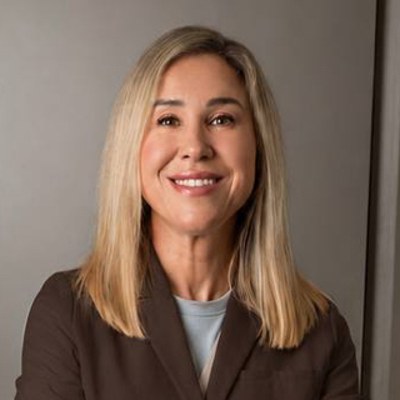
Dr Rowena Hughes
MB BCh BAO, MSc Pharm Med, MBA, PGDip Obs & Gynae, DDermMedical Director, Blush Clinic, Kells · Founder, Dr Rowena's Aesthetics Academy
Dermatology at Blush Clinic is led by Dr Rowena Hughes, a qualified medical doctor with a Diploma in Dermatology (DDerm), postgraduate training in dermatology and over 10 years’ experience working within the HSE as a hospital doctor.
Hair loss treatments at Blush Clinic are carried out by Dr. Hughes, whose background in medical dermatology supports both the diagnosis and treatment of a wide range of hair and scalp conditions.
Many patients already know the cause of their hair loss before attending the clinic. Men with typical male pattern hair loss and women experiencing gradual thinning linked to menopause, hormones, genetics, or aging may choose to proceed directly with treatment appointments such as PRP, PRF, mesotherapy, polynucleotides, or prescription-based therapies without needing a separate dermatology consultation first.
However, some forms of hair loss are less straightforward and may require medical assessment before treatment begins. Sudden shedding, patchy hair loss, inflamed or painful scalps, autoimmune conditions such as alopecia areata, or hair loss associated with scalp conditions like psoriasis may benefit from a dermatology consultation to help clarify the diagnosis and guide the most appropriate treatment plan.
Where appropriate, treatments may include prescription medications, regenerative therapies, steroid scalp injections, and advice on topical products, supplements, and supportive home care.
Ready to book?
Book online any time. To pay by card over the phone, or to reschedule or cancel, call 087 422 3492, Monday to Friday, 8am to 6pm.