Bone health
Clear insight into your bone health, with support to protect your strength for the years ahead.
- Bone changes can happen silently for many years
- For women bone strength naturally declines during and after menopause
- Bone loss often occurs without symptoms until a fracture happens.
- Vitamin D and calcium play a central role in strength
- Early screening helps prevent fractures later
- FRAX, medical history, DEXA & simple blood tests are the main diagnostic tools
- Early screening helps identify risks before problems develop.
- Simple changes in nutrition, exercise and treatment can help protect bone strength.
- Looking after your bones now supports mobility and independence later in life.
About bone health
What it is, and how we approach it
About bone health
What it is, and how we approach itBone health often isn’t something we think about until a problem arises, yet our bones are quietly changing throughout adult life. Factors such as menopause, family history, diet, certain medications and medical conditions can all influence bone strength long before any symptoms appear.
Through targeted blood testing we can assess factors that influence bone strength, including hormone levels, calcium and vitamin D status, and other markers linked to bone metabolism. Where appropriate, DEXA (Dual-Energy X-ray Absorptiometry) scanning may also be recommended to accurately assess bone density.
If any concerns are identified, patients are supported with clear guidance and a personalized plan, with further management discussed in detail as part of their care pathway.
Our aim is to take a proactive, preventative approach – helping you maintain strong, healthy bones so you can stay active, mobile, and confident in the years ahead.
How we can help
Why people come to see us
How we can help
Why people come to see us- Many people seek bone health screening because:
- They are concerned about osteoporosis or osteopenia
- There is a family history of fragile bones or fractures
- They are menopausal and want to be proactive
- They have had a low-impact fracture
- Long-term medications such a steroids may affect bone strength
- Diet or lifestyle may not be supporting calcium and vitamin D levels
- History of smoking or low body weight
- They want reassurance and practical guidance for the future
Treatment options
What we offer, and what to expect
Treatment options
What we offer, and what to expectAt Blush Clinic, our bone health service is focused on early identification and clear, evidence-based management of reduced bone density.
For patients concerned about osteopenia or osteoporosis, the first step is usually a FRAX (Fracture Risk Assessment) score, which estimates your future risk of fracture based on key clinical factors. Where indicated, this is followed by referral for a DEXA (Dual-Energy X-ray Absorptiometry) scan—the gold standard for accurately assessing bone mineral density and confirming diagnosis.
Targeted blood testing may also be carried out to support the overall assessment, evaluating key markers that influence bone health, including calcium, phosphate, vitamin D, parathyroid hormone, and alkaline phosphatase levels and for males testosterone is measured as testosterone deficiency is a very common reason for osteopenia and osteoporosis.
Following diagnosis, a personalised management plan is discussed. For many women, particularly those under 60, hormone replacement therapy (HRT) may be considered where appropriate, as it plays a key role in maintaining bone density.
Where additional treatment is required for women or for males needing treatment for osteoporosis medications such as bisphosphonates may be recommended, with further injectable options considered in more advanced cases.
Patients are also supported with practical guidance on optimising bone health through nutrition, including adequate calcium and vitamin D intake, alongside appropriate supplementation where needed.
Referral to a physiotherapist with experience in bone health may be advised to support safe, effective weight-bearing exercise and strength training.
For more complex or severe cases, referral to specialist services, including a consultant in care of the older person, can be arranged to ensure comprehensive, multidisciplinary care.
What treatment can do
Realistic expectations
What treatment can do
Realistic expectationsBone health screening helps you understand what is happening beneath the surface before problems become visible. The results can highlight early changes associated with osteoporosis or reduced bone density, allowing time to act rather than waiting for a fracture.
Using tools such as FRAX risk assessment and, where indicated, DEXA scanning, we can establish a baseline and identify early signs of reduced bone density before fractures occur.
This allows for timely, evidence-based intervention. Where appropriate, steps can be taken to help preserve and improve bone strength—most commonly through hormone replacement therapy (HRT) for women under 60 or bisphosphonates for women over 60 or men, alongside optimising nutrition and introducing effective weight-bearing exercise.
Screening may also highlight correctable factors, such as low vitamin D levels, which can be addressed early to support overall bone health.
Importantly, many patients value the reassurance of knowing where they stand. Having a clear baseline allows for ongoing monitoring and informed decision-making—helping you take control of your bone health and reduce future risk
Is it right for me?
Who it suits
Is it right for me?
Who it suitsThis screening may be particularly helpful for:
- Peri-menopausal and postmenopausal women
- Anyone with a family history of osteoporosis
- People who have had fractures from minor falls
- Those on long-term steroid medication
- Individuals with coeliac disease or eating disorders
- Vegans or people with low calcium/vitamin D intake
- Anyone with a history of heavy use of alcohol or cigarettes
- Older adults wishing to protect future mobility
Aftercare and follow-up
What to expect afterwards
Aftercare and follow-up
What to expect afterwardsFollowing your bone health assessment, results are reviewed and explained clearly, with next steps guided by your individual risk profile.
If your FRAX (fracture risk assessment) score indicates low risk, no further investigation is required, and you can be reassured that your current bone health is within a normal range.
Where the FRAX score suggests an increased risk, referral for a DEXA (Dual-Energy X-ray Absorptiometry) scan is arranged to assess bone mineral density more precisely.
If your DEXA scan is normal, results are communicated and explained, and no further treatment is required.
If reduced bone density is identified, you will be invited for a dedicated review consultation to discuss appropriate management. This may include initiation of treatment, such as hormone replacement therapy (HRT) or other bone-protective medications, depending on your clinical profile.
Where indicated, referral to specialist services—including osteoporosis specialists or physiotherapists with expertise in bone health—can be arranged to support safe, effective management.
Ongoing monitoring may include repeat DEXA scanning at appropriate intervals to assess response to treatment and ensure optimal long-term bone health.

Questions we're asked
Can bone loss be prevented or reversed?
Can bone loss be prevented or reversed?
While some bone loss can occur naturally with age and hormonal changes, early intervention can slow or reduce further loss. With the right combination of nutrition, exercise and treatment where needed, many women can protect and strengthen their bones over time.
I have no symptoms; should I still check my bone health?
I have no symptoms; should I still check my bone health?
Bone loss often happens without noticeable symptoms until a fracture occurs. Screening can help identify risks early, allowing you to take preventative steps before problems develop.
Do I need a DEXA scan?
Do I need a DEXA scan?
Not everyone will require a DEXA scan. It is typically recommended if your FRAX score indicates an increased risk of fracture, or if you have specific risk factors such as a previous low-impact fracture or strong family history of osteoporosis.
What does a DEXA scan involve?
What does a DEXA scan involve?
A DEXA scan is a quick, non-invasive scan that measures bone mineral density. It is painless, involves minimal radiation, and usually takes around 10–15 minutes.
What happens if my results are normal?
What happens if my results are normal?
If your FRAX score and/or DEXA scan are within the normal range, no further investigation or treatment is required. You will be reassured and can continue with your usual lifestyle.
What happens if I have osteopenia or osteoporosis?
What happens if I have osteopenia or osteoporosis?
If reduced bone density is identified, you will be invited for a follow-up consultation to discuss appropriate treatment. This may include hormone replacement therapy (HRT) and, where needed, additional medications to protect bone strength.
Is HRT beneficial for bone health?
Is HRT beneficial for bone health?
Yes—HRT plays an important role in maintaining bone density during and after menopause. For many women, particularly under the age of 65, it is considered a first-line option where there are no contraindications.
Will I need ongoing monitoring?
Will I need ongoing monitoring?
If treatment is started, follow-up may include repeat DEXA scans at appropriate intervals to assess how your bone density is responding.
Can lifestyle changes improve bone health?
Can lifestyle changes improve bone health?
Lifestyle factors such as nutrition and weight-bearing exercise do support bone health. However, where bone density is reduced, medical treatment may also be required to effectively reduce fracture risk.
Who should consider bone health screening?
Who should consider bone health screening?
Bone health assessment is particularly relevant for women in perimenopause and menopause, especially if there is a family history of osteoporosis, previous fractures, or other risk factors.
Why is early assessment important?
Why is early assessment important?
Bone loss often occurs without symptoms. Identifying changes early allows for timely intervention, helping to reduce the risk of fractures—particularly hip fractures, which can have a significant impact on long-term health and independence.
How do I book a bone health screening appointment?
How do I book a bone health screening appointment?
You can book your appointment easily through our online booking system, where you can choose a time that suits you and arrange your consultation or screening at Blush Clinic. You may also phone 087 4223492 to book in over the phone.
How do I prepare for my appointment?
How do I prepare for my appointment?
Please tell us if you are taking calcium or vitamin D supplements. You do not need to fast for this test.
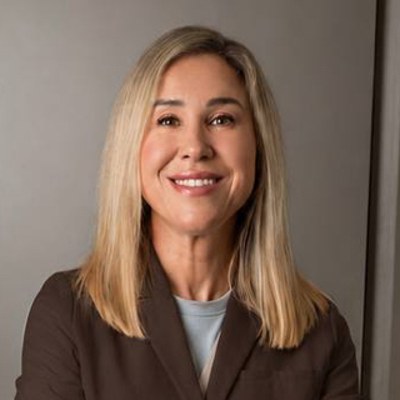
Dr Rowena Hughes
MB BCh BAO, MSc Pharm Med, MBA, PGDip Obs & Gynae, DDermMedical Director, Blush Clinic, Kells · Founder, Dr Rowena's Aesthetics Academy
Women's health care at Blush Clinic is led by Dr Rowena Hughes, a qualified medical doctor with a Diploma in Dermatology (DDerm) from the Royal College of Physicians in Ireland, a postgraduate diploma in Obstetrics and Gynaecology, and many years of experience in women's health.
Bone health screening at Blush Clinic is guided by Dr Rowena Hughes, whose understanding of hormonal and metabolic health supports a preventative approach to maintaining bone strength. Results are reviewed in the context of your age, medical history, lifestyle and any risk factors for bone loss.
Dr Hughes explains your results in clear, practical terms and outlines any steps that may help support your bone health, whether through nutrition, supplementation, exercise or further investigation.
The focus is on early identification and steady, manageable changes that help protect long-term strength and mobility.
Read more women's health articles
Calcium, vitamin D, strength training and the habits that affect your bones.
Read the articleA friendly guide to HRT, weight changes and what to expect.
Read the articleWhat the research says about PMOS (formerly PCOS) and what helps.
Read the articleMedical treatments, lifestyle changes and what to do next.
Read the articleReady to book?
Book online any time. To pay by card over the phone, or to reschedule or cancel, call 087 422 3492, Monday to Friday, 8am to 6pm.